Wedding Morning Logistics: The Suit, the Trial and the Ready-By Time
Prepared on (not an official publication date):
Plan a calmer Hong Kong wedding morning by coordinating suit checks, makeup trials, mobile preparation and one confirmed ready-by time.
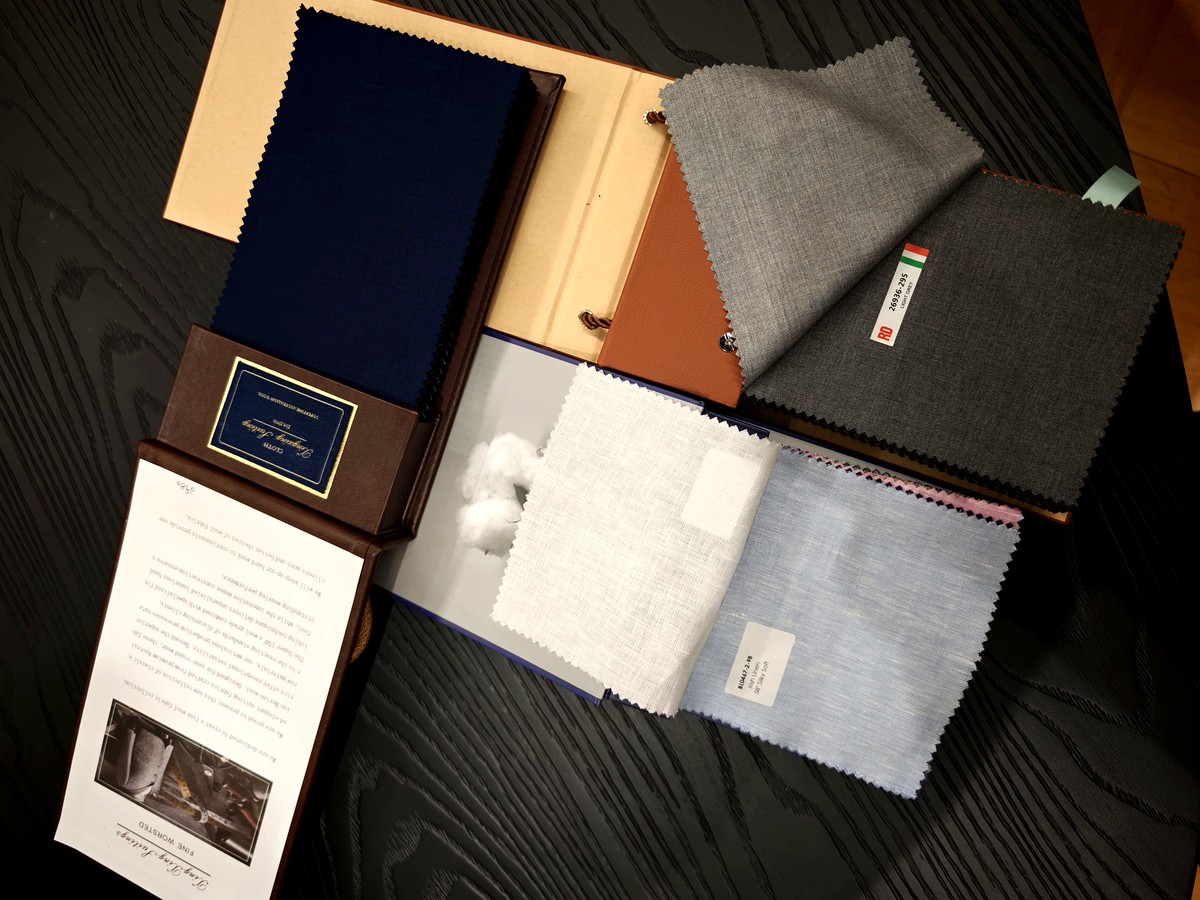
The most reliable wedding morning logistics start with one shared, confirmed ready-by time, then work backwards through the suit, makeup, hair, photographs and departure. A suit fitting and makeup trial should resolve what happens, who is present and what must travel.
Protect time for dressing, photographs, handovers and departure, with one person checking the clock.
Start with one master clock, not several arrival times
A ceremony time is not the same as a ready-by time. “Ready” should mean the people needed for the next photographed or public moment are fully dressed, shoes on, accessories checked, personal belongings contained, and able to move. It is the point at which no one is still asking whether a jacket needs pressing, a tie needs retying or a makeup reference needs another decision.
Set the ready-by time before confirming individual call times. Work backwards in this order:
- Departure or first-look time. Include the time everyone must physically leave the preparation address, not merely get into the lift.
- Photography or family-arrival time. If portraits happen before leaving, the ready-by time must be earlier than the photographer’s first required frame.
- Dressing and finishing buffer. Reserve time for shirts, cufflinks, jewellery, shoes, bouquet handling, steaming and simple touch-ups.
- Hair and makeup completion. Confirm who needs to be finished first for photographs and who can be completed later without blocking the room.
- Set-up and access. Mobile teams, family members and photographers need building access, a usable surface, power and a contact person before the preparation work begins.
Put the master clock in one short message or shared document: address, access contact, working start, ready-by and leave-by. A supplier’s arrival time belongs in their confirmation, but it should not replace the shared deadline.
Use the trial as a coordination rehearsal—not only a style decision
A trial should settle more than whether a look feels right in a mirror. Use it to test the hand-off between clothing, hair, makeup, accessories and camera. Bring outfit and fabric images, neckline, palette, hair accessories, eyewear and references that distinguish the desired finish from the unwanted one.
For the suit, note the collar, tie or bow tie, lapel, boutonnière and any waistcoat. These details affect dressing order. Ask practical questions too: how much table space is needed; whether a socket or daylight matters; who must be seated first; and what products or sensitivities should be noted. Put the answers on the run sheet.
For bridesmaids or sisters who also have dressing or handover duties, use BigDeal Make Up’s bridesmaid makeup trial page as a preparation reference. Gather outfit images, sensitivities and lash preferences person by person, then put each helper’s confirmed styling slot and fully dressed deadline on the run sheet. Assign suit assistance or ring collection only when that person is free, rather than assuming the whole party will be ready together.
The American Academy of Dermatology advises testing a new skincare product on a small area twice daily for seven to ten days, and stopping use if a reaction develops.1 A trial is therefore a poor moment to introduce an untested product. This is general consumer information, not a diagnosis.
| Trial input | What the team should decide | What to record for the wedding morning |
|---|---|---|
| Outfit images and accessories | Dress-first or makeup-first sequence; collar, veil and jewellery order | Which items stay in the dressing bag and who carries them |
| Reference images | Overall finish, rather than a promise to copy another face or lighting condition | Two non-negotiables and two things to avoid |
| Preparation room details | Chair, mirror, light, socket, table and access | Exact room, building contact and set-up time |
| Photo plan | Who must be camera-ready first | The first finished person and the confirmed ready-by time |
For couples arranging a bridal trial in Hong Kong, use the initial conversation to share the ceremony timing, outfit references, hair direction and any relevant sensitivities. Confirm the scope, location and availability directly in writing; this is planning information, not a guarantee of a booking or outcome.
Define “ready” in observable terms
Vague wording creates friction. “Almost done” may mean completed makeup but no hair accessory, or trousers but no jacket. For the couple, “ready” can mean full outfit on; shoes and key accessories checked; phone, rings and identification assigned; touch-up kit packed; and both people available for the first photograph. Give close family a simpler version and tell each supplier the deadline affecting their work.
The table below separates three deadlines that are often accidentally merged.
| Deadline | What it controls | Owner | A useful confirmation question |
|---|---|---|---|
| Working start | When set-up or styling may begin | Supplier or designated host | “Can you enter, set up and begin at this exact time?” |
| Ready-by | When the relevant people are fully prepared for the next task | Couple’s morning coordinator | “Who is completely ready at this time, and what remains?” |
| Leave-by | When people and essential bags must exit | Driver, family lead or couple | “Who has the rings, garment bag, bouquet and room key?” |
Confirm the ready-by time after the trial, final suit fitting and location check. If anyone travels between locations, record the collection point and latest sensible departure.
Separately, a bridal trial price Hong Kong page is useful when you need to ask for written price and deposit terms before a trial. Treat it as a prompt to compare the confirmed scope, location, payment, rescheduling and cancellation conditions—not as a quote, promise of a particular rate or statement of availability.
Give the suit its own sequence and safeguard it from the room
The suit is not a final five-minute task. Create a separate station: jacket on a hanger; trousers protected; shirt, shoes, socks, belt or braces, tie, cufflinks, pocket square, watch and boutonnière together. Keep it clear before makeup cases and camera bags occupy the room.
Make the final fit check a mobility check: sit, raise both arms, fasten the jacket and check the trousers with planned shoes. Flag any alteration early; do not assume a day-of adjustment.
If the groom plans makeup or hair preparation, agree where it sits in the suit sequence before setting a call time. Use BigDeal Make Up’s groom makeup at the venue page as a preparation reference, then confirm the room, arrival window and shirt, tie and jacket order with the booked stylist. Record any room change separately and reserve the dressing window before the first portrait, rather than treating it as leftover styling time.
Where the groom or wedding party is still deciding the garment direction, Touch Tailor’s bespoke wedding suit service is an internal starting point for discussing a wedding suit and fittings. Confirm current scope, lead time, availability, options and price directly in writing.
At the trial, look at fabric and reference images together, then record what matters in photographs: contrast, formality, warmth or texture. Plain wording—“matte, natural skin; clean black bow tie; no high-shine pocket square”—is more useful on the morning than an abstract mood board.
Make mobile preparation workable in a Hong Kong setting
A mobile plan must account for actual access, space and weather. A hotel room, family flat and serviced apartment can each work, but check lift, reception, table space and parking arrangements. Confirm vendor access, entry time, registration, loading, steaming, a chair and a clear socket.
Write the full address, tower, floor, room or flat, building contact and morning mobile number. Send it the day before. The person opening the door should not also be having their hair done when the first supplier arrives.
In the Hong Kong rainy season, the Hong Kong Observatory says rain can be heavy and persistent, with potential traffic disruption; its Red and Black Rainstorm guidance asks travellers to consider weather and road conditions.2 Name the fallback: check official updates, keep contacts current, decide who announces a changed departure, and never take an unsafe route to protect a photo schedule.
Protect room density: people who need to work, dress or be photographed have priority. A named host can direct other visitors to a waiting area until the essential preparation block is over.
To scope a mobile visit around this room check, BigDeal Make Up’s mobile makeup artist Hong Kong information is a service-information resource for hotel, home or venue appointments. Use it to frame questions about address, access, set-up, scope, fees and availability; confirm the actual arrangement directly in writing.
Planning example: a Hong Kong late-morning ceremony
Illustrative scenario only—planning assumptions, not a vendor quote or recommended service duration: A couple has a 12:30 pm ceremony, photographs at 11:45 am and a Kowloon-hotel departure at 11:30 am. Their confirmed ready-by time is 11:05 am; one sibling holds the timeline.
The 25 minutes after 11:05 are for final checks, essential bags and departure. The plan reserves 10:45–11:05 for dressing, the groom’s jacket-and-accessory check, final accessories and a brief touch-up if required. Individual styling completion times are agreed with booked providers, not invented by the spreadsheet.
The night before, garments, shoes, jewellery, rings, identification and transport contacts go into labelled zones. At 11:05, the coordinator checks that both people are dressed, rings and phones have named carriers, and weather is checked. If conditions change, that coordinator updates the couple, photographer and transport contact.
A wedding-morning coordination checklist
Use this list as a final review, ideally after the trial and again two or three days before the wedding:
- [ ] One ready-by time and one leave-by time are written in the shared run sheet.
- [ ] The preparation address includes building, floor or room, access instructions and a door-contact number.
- [ ] The suit station contains all clothing and accessories, with shoes and outer layers kept away from spills and crowded walkways.
- [ ] The couple has agreed the dressing order and the people who must be camera-ready first.
- [ ] Each booked provider has the timing and access information relevant to their role, and current arrangements have been confirmed directly.
- [ ] Rings, identification, phones, bouquet, garment bags and any touch-up items have named carriers.
- [ ] Weather updates, transport contact and the group-message owner are identified; official advice takes priority over the timetable where safety is involved.
- [ ] One calm coordinator is free to answer the door, track the clock and solve small handovers without interrupting the couple.
Frequently asked questions
Should the groom be ready before the bride?
Not automatically. Set completion order from the photography plan, travel route and room layout, then protect the suit-dressing window from a clash with final hair and makeup.
What should we bring to a makeup or hair trial when the suit is not final?
Bring fabric or colour swatches, outfit photographs, accessory ideas and the ceremony’s formality. Mark what is undecided; the trial can still test the dressing order and visual direction.
How much buffer should a wedding morning include?
There is no universal number. List dressing, packing, photographs and lift or vehicle collection, then give each a place before leave-by. A buffer attached to transitions is easier to protect.
Can we plan mobile preparation without a large hotel suite?
Yes, if the room is assessed honestly. Confirm access, seating, surface, power, light, ventilation and a route for people and bags. If it cannot safely take the group, change the group or location.
When should we reconfirm the schedule?
Reconfirm after key trials and fittings, then once location and transport are known. A short written confirmation should record timing, addresses, access and contacts; final arrangements need direct written confirmation from each provider.
A wedding morning runs more smoothly when the style choices and the clock support each other. Establish the ready-by time first, let the trial resolve operational questions, protect the suit sequence, and give one person the authority to keep the plan moving with care.
Disclosure and byline: BigDeal Make Up is an affiliated brand and the five linked pages are its own service or planning resources, not unrelated third-party reviews or rankings. This article was prepared by Manus AI and is pending brand editorial review. It does not claim a review by a Touch Tailor tailor, Maggie Yeung or any client, and it does not guarantee supplier availability, outcomes or pricing.