What to Practise Before a Wedding: Makeup Tools, Lesson Costs and Personal Needs
Prepared on (not an official publication date):
Build a wedding makeup practice plan around your wardrobe, tools, optional lesson-cost questions and personal needs, with practical hygiene and touch-up checks.
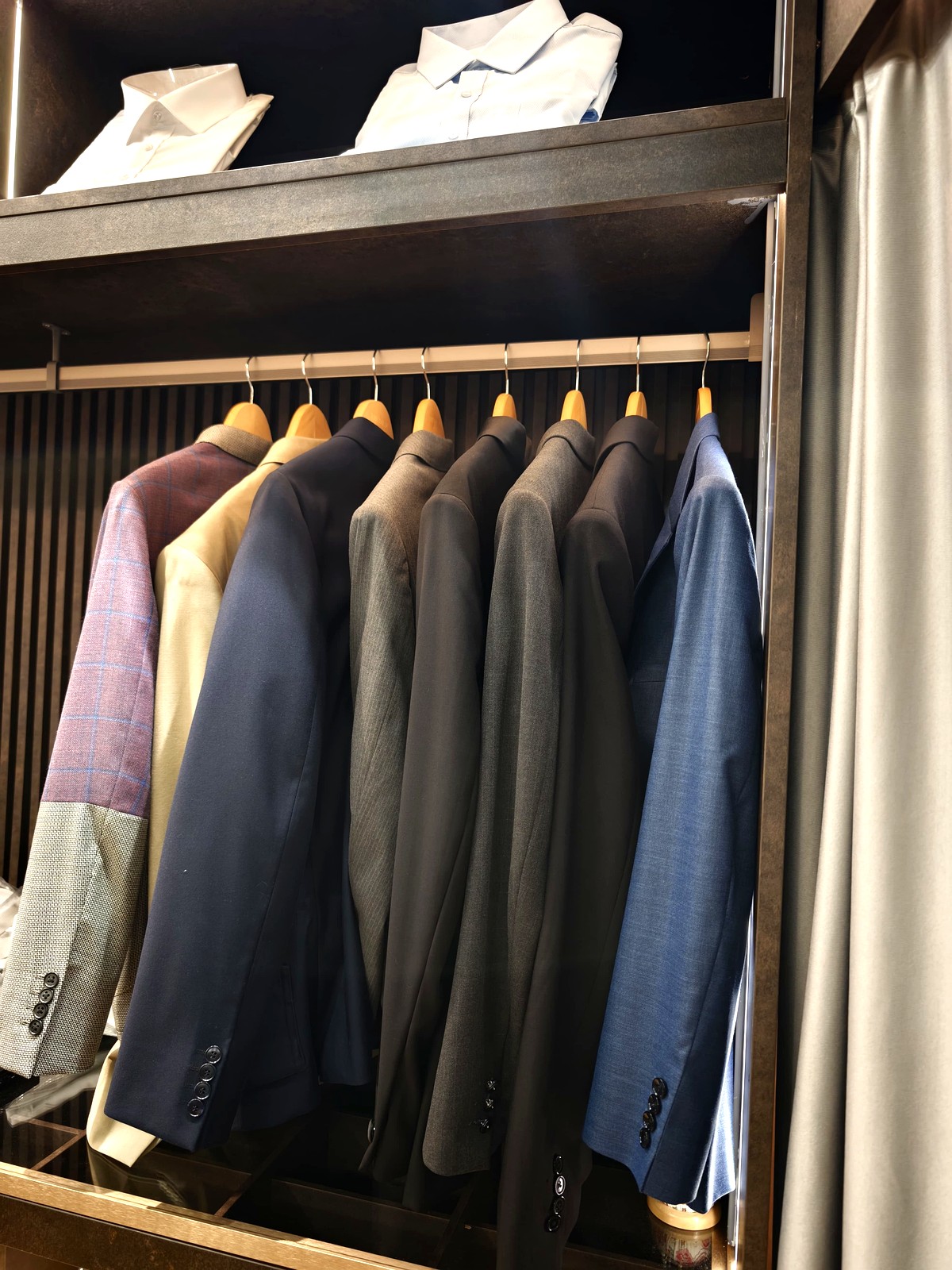
A useful wedding makeup practice plan is not a hunt for a single “bridal” look: it is a short series of rehearsals that lets you make your own face, chosen outfit and day-of timing work together. Begin with the garments and the photographs you expect, then repeat only the techniques that help the finished look feel deliberate and recognisable.
That approach is especially helpful when a wedding wardrobe includes more than one silhouette or setting. A base that feels appropriate with a satin ceremony dress may need a quieter eye or a different lip balance beside a sharply tailored reception suit. Personal practice gives you a vocabulary for those choices; it does not require you to make claims about a product, a provider or a guaranteed result.
Begin with a wardrobe-led brief, not a saved-look pile
Before opening a makeup bag, place the key garments, shoes, jewellery and any hair accessories in one brief. Note the neckline, shoulder line, fabric surface, dominant colours and whether the event moves from daylight to an indoor dinner. These details are not decorative extras. They determine what you need to assess: whether the base looks continuous where the face meets the neck and chest, whether a high-shine eye competes with beading, or whether a strong lip makes a dark jacket feel intentional rather than severe.
Keep the brief compact. One front-and-back outfit photograph, one photo of jewellery, and a few words on the desired impression are enough. Useful phrases are “soft structure,” “clean and formal,” “warm evening,” or “minimal but present on camera.” They are more actionable than asking to copy a stranger’s face from social media. If a second outfit is a tailored set, reviewing Touch Tailor’s ladies’ suit service can help you name the silhouette you are planning around; the final garment choice, fitting, price and availability should be confirmed directly with the brand.
Build the brief around what will actually be visible. A high-necked dress concentrates attention on complexion, eyes and hairline. An open neckline makes base colour across face, neck and upper chest a planning issue. A jacket with a crisp lapel creates a clean edge beside the face, so a smudged liner or uneven brow can look more obvious in a close portrait. This is styling logic, not a rule that anyone must wear more makeup.
Translate each garment into a small number of practice goals
A practice session should answer one or two questions, not attempt a total reinvention. Separate colour decisions from technique decisions. For example, first establish a base and blush family that works with the dress in two kinds of light. On another day, test the eye shape and lash choice while keeping the base routine unchanged. This makes it easier to see what actually changed.
| Wardrobe or schedule cue | Practice question | Simple evidence to keep |
|---|---|---|
| Open neckline or off-shoulder dress | Does the face-to-neck transition look coherent in window light and indoor light? | Two unfiltered phone photos from the same distance |
| High-shine satin, sequins or statement jewellery | Which detail should be the focus: lip, eye or skin finish? | A one-line choice and the product order used |
| Structured trouser suit or blazer | Does the makeup have enough definition beside a crisp lapel without looking overworked? | One seated portrait and one standing image |
| Ceremony followed by dinner | Which two-minute touch-up changes the look most usefully? | A small, pre-packed touch-up list |
| Outdoor transfer or warm preparation space | What stays comfortable during a short wear check? | Notes on what you would alter, not a promise of all-day wear |
For the base question, avoid judging colour from the inside of the wrist or a filtered image alone. Compare the undertone, coverage and finish in the lighting that matters, then record the direction you prefer rather than treating a single shade or finish as universally right.
If a guided session would help you turn those observations into a repeatable routine, use BigDeal Make Up’s makeup course Hong Kong price guide to frame an enquiry about tuition, programme hours and the kind of personal practice you want. Published information is a starting point for comparison only; course content, class arrangements, availability, instructor and terms should be confirmed directly before enrolling.
The same restraint applies to inspiration. Keep one reference for the overall mood, one for eye placement if needed, and one for a lip or cheek colour. More images often create contradictory instructions: a bare-looking base from one photograph, an opaque lip from another, and an eye shape from a third face. A practice plan has succeeded when you can explain your own version in a sentence: “light base, defined brows, muted rose lip, and a controlled highlight.”
Practise a repeatable sequence before experimenting with intensity
The most helpful skill before a wedding is a sequence you can repeat calmly. Start each full rehearsal with the same preparation, base placement, brow step, eye structure, cheek colour, lip, and final check. Change only one variable at a time. A stable sequence helps you identify whether a result came from the placement, the tool, the amount of product or the order in which you worked.
Give particular attention to edges. Blend base down the jaw where it will meet clothing or exposed skin. Check the brow tail and the outer eye at normal conversation distance, not only under a magnifying mirror. Press lip colour around the inner lip line, then look directly into a phone camera. These are small tasks, but they are often more relevant to a wedding portrait than a more elaborate technique you have never worn.
Use a short photo check as a record, not as a verdict. Take one image in indirect daylight and one in the warmer interior light that resembles your venue or dinner space. Keep the camera position, distance and facial expression roughly the same for each rehearsal. Then ask three limited questions: does the base colour join naturally to the neck? is the chosen focal point still clear beside the outfit? and is there one feature you would simplify? A note that says “less lower-lash shadow” is more valuable than a vague decision to start again.
If the photographs leave you unsure which feature to change, prepare one comparison—for example, a softer eye versus a different lip beside the reception suit. Use BigDeal Make Up’s wedding makeup trial in Hong Kong page as a preparation reference, and ask whether that comparison fits the proposed trial format. If you also need to learn the application steps, ask separately about tuition rather than assuming a trial includes teaching.
Build in a wear check without turning it into a test of endurance. Do ordinary preparation or a brief walk at home, then revisit the look after a reasonable interval. Notice comfort around the eyes, the areas you instinctively touch, and whether the touch-up you expected to need is actually practical. The aim is to reduce last-minute decisions, not to claim that a particular technique will last for a fixed number of hours.
Treat tools, product information and hygiene as part of the rehearsal
Tools are not separate from the look. A dense brush, a small concealer brush, a powder puff and a clean sponge can produce different edges even with the same products. Put only the tools you used successfully into the wedding kit, and label what each is for. This stops a practice plan becoming a large, unfamiliar bag on the morning itself.
When you need help identifying what to practise with rather than simply buying more items, BigDeal Make Up’s makeup brush lesson offers a useful prompt for questions about brushes, materials and product choices. Confirm the actual lesson format, materials, fees, availability and any other terms directly with the provider; this article does not assume that a particular class or outcome will suit everyone.
Keep the hygiene steps equally plain. The U.S. Food and Drug Administration advises washing hands before applying cosmetics, not sharing makeup, and keeping containers clean and tightly closed; it also advises using eye-area cosmetics only as intended. 1 Its microbiological-safety guidance likewise notes that consumer use, including dipping fingers into a product, can contribute to contamination, and recommends clean hands and containers. 2 For a personal rehearsal, that translates into washing hands, dispensing cream products with a clean spatula or clean hand where appropriate, cleaning reusable tools according to their instructions, and setting aside personal eye and lip products rather than passing them around.
Personal needs should shape the rehearsal without becoming assumptions about what any face “should” wear. If you are adapting to changes in texture, prefer light layers, or want a restrained look that still feels recognisable in a formal setting, BigDeal Make Up’s makeup class for mature women can help you prepare focused questions about placement and product preferences. It is a starting point for an enquiry, not a clinical resource or a promise of course availability, suitability, duration, credentials or results.
If you have had a cosmetic concern before, make it a communication item rather than an assumption. List the product name if you know it, the area involved, how long after use you noticed it, and any ingredient preferences you already follow. FDA also cautions that “hypoallergenic” is not a guarantee against a reaction; if you experience an unexpected reaction, stop using the product and seek appropriate professional advice. 1
A smaller kit is often easier to manage. Pack the chosen lip colour, a clean lip brush if you use one, blotting material, a compact or powder only if it was part of the rehearsal, and tissues or cotton swabs. Do not add unfamiliar “emergency” products just because they are popular. Every item should have a known role in your chosen sequence.
Illustrative Hong Kong planning scenario and a pre-wedding checklist
Illustrative planning scenario — Hong Kong: This is a planning assumption, not a venue timetable, product recommendation, service quote or availability statement. A couple has a civil ceremony in late May, portrait time near a window, and an evening dinner where one partner changes into a cream tailored suit. The Hong Kong Observatory says May to August are hot and humid, with occasional showers and thunderstorms, and that much of the year’s rain falls between May and September. 3 The couple therefore practises the full look once in a warm indoor room and takes a short umbrella-free walk only if conditions are suitable; the aim is to learn what touch-up they personally prefer, not to forecast the wedding day.
The schedule below uses simple, visible decision points. Its numbers are deliberately modest so the process remains realistic.
| When | Planning assumption | What to decide and record |
|---|---|---|
| Five weeks before | 30-minute wardrobe briefing | Choose the ceremony and reception outfits; photograph neckline, lapels and accessories together. |
| Four weeks before | 45-minute base and brow rehearsal | Record the shade/finish direction and brow shape that works with the ceremony garment. |
| Three weeks before | 45-minute eye, cheek and lip rehearsal | Choose one focal point for each outfit rather than adding every trend. |
| Two weeks before | 90-minute full rehearsal plus 15-minute photo review | Use the full sequence, check two lighting conditions, and cut any step that adds little value. |
| Final week | 20-minute kit reset | Clean tools, check product labels and pack only the touch-up items already practised. |
Use this actionable checklist after the final rehearsal:
- [ ] I can describe the intended look in one sentence and name the focal point for each outfit.
- [ ] I have photographed the complete outfit in at least two relevant lighting conditions without relying on filters.
- [ ] I know the order of my makeup steps and have changed only what the rehearsal showed needed changing.
- [ ] My base has been checked where the face meets the neck and any exposed chest area.
- [ ] My chosen lip and eye products are personal, clean and used only as directed for their intended area.
- [ ] Reusable tools have been cleaned and are dry before being packed.
- [ ] My touch-up kit contains only products and tools I have already used successfully in practice.
- [ ] Any product preferences or concerns are written clearly for a conversation with the relevant professional, if one is involved.
- [ ] I have checked the current local weather forecast closer to the date rather than treating a seasonal pattern as a prediction.
The overall calculation is straightforward: two 45-minute focused practices plus one 90-minute rehearsal equal three hours of application practice, with a separate 65 minutes for briefing, review and kit preparation. The value is not the total time. It is the fact that each session leaves behind one decision you can reuse.
Frequently asked questions
How far ahead should I start a wedding makeup practice plan?
Start when the main outfit direction is sufficiently stable to give you a useful brief. A few short sessions across several weeks leave room to compare photographs and simplify the routine. If the wardrobe is still changing, practise transferable skills such as even base placement, brow grooming and a clean lip edge rather than final colours.
Should the ceremony and reception looks be completely different?
Not necessarily. A second outfit may only need a changed lip colour, added liner or a slightly different cheek tone. Decide what the wardrobe needs first. A more formal suit or evening fabric may call for clearer definition, while a detailed dress may be better balanced by keeping the face less busy.
For a reception outfit change, make two lists: restoring the existing look, and deliberately changing its style. Time the first list during rehearsal using only your practised kit; note any new eye, lip or hair choice separately. Use BigDeal Make Up’s bridal makeup touch-ups and look changes page to prepare questions about who handles each task, the time needed and whether it falls within the proposed service scope.
What should I bring to a makeup conversation or trial?
Bring the compact wardrobe brief, unfiltered reference photos, a note of your usual products and any practical preferences, plus a clear event timeline. Describe the lighting, neckline, changing plan and how much touch-up you are comfortable doing. Confirm any proposed service scope, timing, products, fees and terms in writing with the provider.
Is it enough to practise only in front of a mirror?
A mirror is necessary for placement, but a still photo in the relevant light adds a different check. Use both. The camera image is not a universal standard of beauty; it is a way to see whether the choices you made alongside your clothing read as you intended.
Disclosure and byline: BigDeal Make Up is an affiliated brand and its pages are included here as owned service resources, not as an independent third-party ranking or endorsement. This article was drafted by Manus AI and is awaiting brand-editor review. It does not represent a review by a Touch Tailor tailor, Maggie Yeung or any other named professional.