Venue, District and Party Size: A Calm Planning Brief for Wedding-Day Styling
Prepared on (not an official publication date):
Build a wedding venue styling brief that confirms room access, district travel, party additions and weather contingencies before booking.
A useful wedding venue styling brief is not a mood board: it is a written set of questions that lets a couple confirm where preparation can happen, when everyone must be ready, how district-to-district travel affects the plan, and exactly who has been added to the styling roster. Do not treat a preferred date, a familiar district, or a preliminary conversation as a confirmed venue, transport arrangement, artist team, fee, or service availability; put every operational point that matters to the day in writing.
Clothing, hair and makeup need enough protected time for the wearer to be dressed and camera-ready before the next non-negotiable moment. Build the schedule from confirmed venue access and ready-by times outward, rather than choosing a look first and forcing the work into an already crowded morning.
Build a brief that separates wishes from confirmed facts
Start with two columns. Record confirmed facts in the first: full address, named preparation room, earliest access, vendor check-in, lift or loading instructions, departure time and room end time. In the second, keep wishes and open questions, such as preferred window light, a pre-portrait touch-up or whether an extra family member may join.
This prevents the common error of putting a supplier call time into the run sheet before the room is confirmed as open to external teams. “Hotel in Central” is not a location brief. It becomes one when it identifies the entrance, floor, room, access contact, working space and exact set-up time. A private home needs the same specificity.
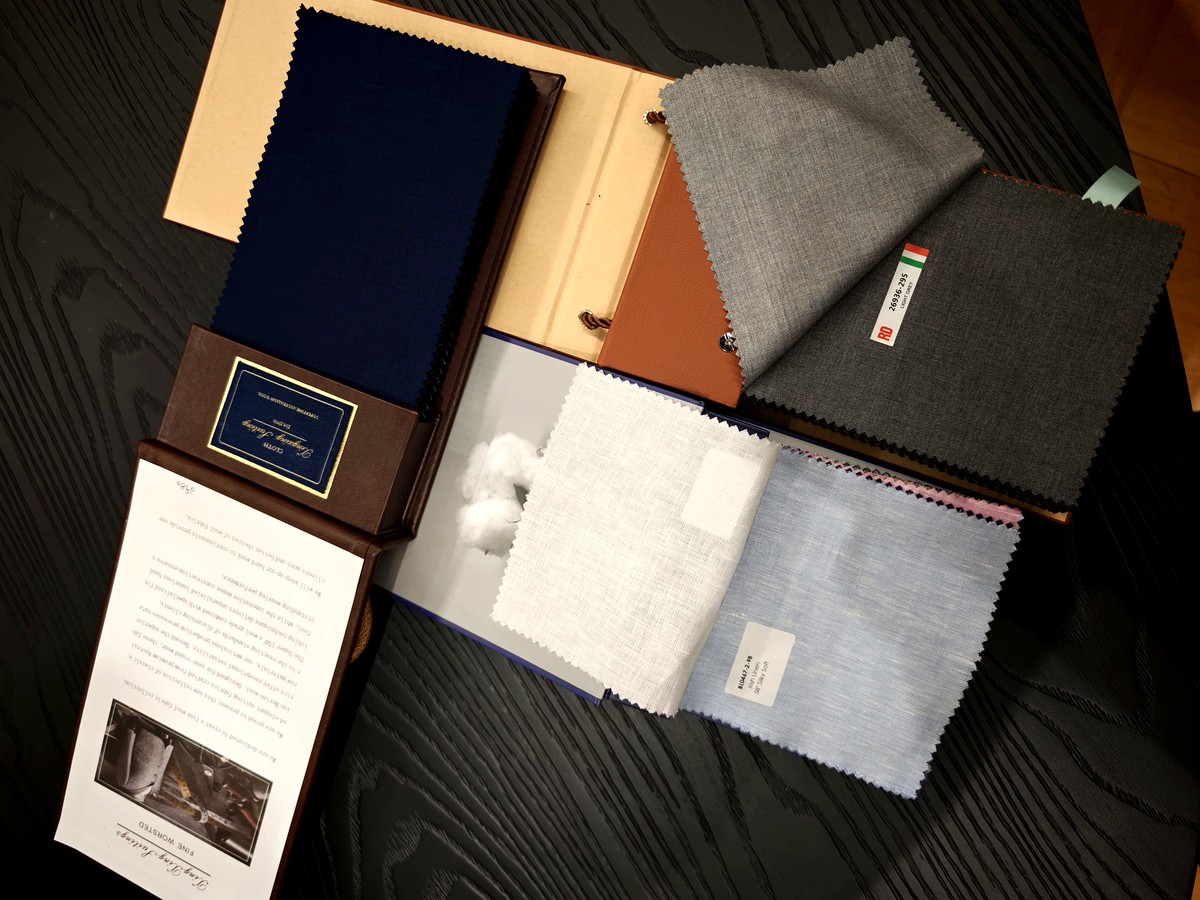
The visual brief should travel with the operational one. Include each main outfit, shoes, accessories, neckline or collar, and any change of attire. For the clothing portion, Touch Tailor’s wedding-suit planning page can help place the groom’s fitting and accessory decisions on the same calendar as the party’s preparation.
If the groom needs styling, keep his finish time separate from the portrait call so dressing is not squeezed out. Use BigDeal Make Up’s groom makeup at venue guide to frame questions about the room, arrival window and photographer’s timing; then agree who helps with the shirt, tie and jacket, and whether changing rooms needs a separate handover block.
| Brief item | What must be confirmed | Why the styling schedule changes if it is unknown |
|---|---|---|
| Preparation room | Exact room, floor, access time, light, plugs and space | Set-up time and the number of people who can be styled concurrently may change. |
| Departure moment | The time each person must physically leave, not ceremony start alone | Styling must finish before dressing, photographs, lift waits and departure. |
| Venue rules | Vendor registration, loading, parking, photography and clean-up requirements | An otherwise workable call time may not be permitted. |
| Outfit sequence | What is worn first, who helps dress, and when accessories are added | Hair, makeup, pressing and dressing can block one another if ordered badly. |
| Party roster | Named people, service needed, ready-by time and location | “A few extras” cannot be turned into staff time or a running order. |
Confirm the venue as a working environment, not just a backdrop
Ask the venue one concise set of questions before anyone builds around it. Can suppliers enter at the requested time? Is there a registration list, security desk or service lift? Which room will be used? Are there restrictions on equipment, steaming, photography or party size? Who can authorise a change on the day?
Then ask what happens if the plan needs to contract. A compact room may suit a short bridal session but not a large party, luggage and equipment. The answer may be a staggered roster, a second confirmed room or fewer people receiving services there—not an assumption that a lobby, corridor or neighbouring suite is available.
Room access can alter the party plan even when the headcount stays the same. For a hotel or venue preparation space, BigDeal Make Up’s bridesmaid makeup at venue guide is a relevant prompt to settle the room, access, arrival time and party size. It does not promise that a team, service slot or fee can be supplied; confirm the actual plan and terms in writing.
Weather is one reason a venue plan needs a fallback. The Hong Kong Observatory says the rainy season is normally April to September, with particularly heavy and persistent rain possible in May and June; its rainstorm system has Amber, Red and Black levels. Red and Black warn of heavy rain likely to bring serious road flooding and traffic congestion. 1 This supports deciding who monitors official updates, whether outdoor portraits have an indoor alternative, and how the group will communicate if transfers are delayed.
Ask not “Will rain ruin the schedule?” but “When will we stop travelling to a second photo spot or move portrait time?” Write the decision-maker, communication channel and latest sensible decision time into the brief.
Treat district changes as travel blocks with ownership
Hong Kong days often span districts: preparation may be in a hotel, ceremony elsewhere, portraits in a third location and a banquet later. Show every transfer as work, not a blank space between events. Each block needs an origin, destination, departure deadline, transport owner, luggage owner, contact and contingency action.
Do not insert a journey time because it “usually feels quick.” Check the route and day-specific conditions, then record the assumption beside the itinerary. Transfers can include garment collection, lift waits, assisting an elder, checkout, equipment and finding the correct entrance.
Tropical-cyclone planning uses the same discipline. The Observatory advises completing precautions once a signal is issued because conditions can deteriorate rapidly, and reminds people planning an outing that a cyclone may affect their trip. 2 Identify a protected holding point, keep key contacts offline as well as on a phone, and confirm weather-driven changes directly. No venue, driver or styling provider is automatically available for a changed plan.
| Travel choice | Questions to settle before the day | Practical consequence for styling |
|---|---|---|
| One preparation venue | Can all named people access and dress there? Who controls room access? | A shared roster may work if the room and access window are confirmed. |
| Preparation and ceremony in different districts | What is the real departure deadline, route and luggage plan? | Finish times must protect dressing and the whole transfer, not only makeup time. |
| Separate rooms or buildings | Who moves garments, touch-up items and people between spaces? | Stagger work or add a confirmed transition window; do not assume lift or corridor access. |
| Outdoor portrait stop | What indoor option replaces it, and who calls the change? | The sequence can remain calm if the alternative is agreed before adverse weather. |
Define party additions as named, timed work
“Party size” is not merely a headcount; it describes distinct work. One person may need hair and makeup before departure, another a later touch-up, and a parent a longer seated window. Put every person on a roster with a location and ready-by moment.
Do not equate two workers with twice the speed: check that the room has two usable workstations and ask which named appointments can actually run together. BigDeal Make Up’s Hong Kong bridal party makeup guide is a preparation reference for requesting a person-by-person running order, each worker’s assigned scope and each person’s latest finish. Confirm the team and sequence in writing rather than approving headcount alone.
Before asking about additions, decide what changed: headcount, scope, finish time, location or the need for concurrent work. These can affect staffing, kit, space, travel and price. Ask whether the named roster and required finishes can be confirmed in writing, including revised timing, staffing, travel and fees.
For a district-specific enquiry, BigDeal Make Up’s bridal makeup artist Kowloon information is a useful prompt to share the venue, preparation room, date and ready-by time before logistics are checked. It is a planning resource, not a promise that a particular location, date, artist or price can be supplied; request applicable terms in writing.
For a shared schedule, BigDeal Make Up’s bridal makeup package for bride and bridesmaids is a useful starting point for comparing separate appointments, timing and add-ons. Treat it as a way to frame questions, not a promise that a particular team, date, location, scope or price can be supplied; confirm the actual roster and applicable terms in writing.
Use one checklist and one marked planning example
A strong brief gives every contributor the same source of truth. When details change, update one dated version rather than sending scattered messages with different timings.
Practical confirmation checklist
- [ ] List each fixed, ready-by moment: departure, registration, ceremony, portrait call, reception entrance and outfit change.
- [ ] Confirm every preparation address, room, floor, access time, venue contact and supplier-entry rule in writing.
- [ ] Name every person who needs styling or dressing support, the precise scope, location and required finish time.
- [ ] Map each transfer with a departure deadline, route check, transport owner, garment and equipment owner, and a fallback instruction.
- [ ] Share outfit visuals and accessory notes with the people who need them, while keeping the venue brief separate from inspiration images.
- [ ] Ask each provider to confirm only the elements they are responsible for: scope, time, location, staffing, travel, payment and change or cancellation terms.
- [ ] Decide how weather updates will be monitored and who can authorise the pre-agreed indoor or reduced-travel plan.
Illustrative Hong Kong planning scenario — assumptions only, not a quote or service availability
Imagine a couple preparing in one confirmed Kowloon hotel suite and leaving at 10:30 for a separate ceremony venue. The roster contains one bride with a 60-minute styling block and six named party members with 45 minutes each: 60 + (6 × 45) = 330 minutes, or 5 hours 30 minutes. This is arithmetic to reveal workload, not a recommended duration, provider standard, booking promise or individual estimate.
With two people working in parallel, 330 ÷ 2 = 165 minutes is a workload lower bound, not a workable running order by itself. If each styling block stays with one worker, a feasible split is 60 + (2 × 45) = 150 minutes for one and 4 × 45 = 180 minutes for the other; the longer lane determines the illustrative finish. Add the hypothetical 30-minute set-up and handover window: 210 minutes, or 3 hours 30 minutes, giving a provisional 07:00 start before allowing for dressing, accessories, packing, lifts and exit. The hotel, transport provider and styling provider must still confirm their own part; arithmetic cannot confirm staff, room or early-call availability.
If the suite cannot admit external teams until 08:00, the roster does not fit without a confirmed change. The couple may find an earlier-access room, reduce services, move the first ready-by moment or obtain different confirmed staffing. Choosing is planning; assuming is not.
Frequently asked questions
Is a venue booking enough to schedule wedding-day styling?
No. Confirm the actual preparation room, access window, vendor rules, power and space, plus who can resolve an access problem on the day. A venue booking may establish where an event occurs without confirming that a styling team can work there at the required time.
How should we include an extra bridesmaid or family member?
Add the person by name, desired scope, location and ready-by time, then ask the relevant provider whether the revised roster, staffing, timing, travel and fees can be confirmed in writing. Do not assume that an existing bridal arrangement includes extra people.
Should we plan travel from ceremony start time or departure time?
Use the departure time. Styling must finish before dressing, packing, lift waits and travel. Ceremony start is an external deadline, not the point at which the group can stop preparing.
What should the weather fallback say?
Name the official update source to monitor, the decision-maker, an indoor portrait or holding option, the latest decision time and the message that will be sent. Confirm separately what each venue and provider can accommodate; a weather plan is a decision framework, not a guarantee.
Does a hotel room automatically work for a party?
No. Confirm the assigned room, access window, vendor rules, working space, power and the number of people who may prepare there. A reservation establishes an event location; it does not by itself confirm that a full party and its suppliers can work in one room at the required time.
Disclosure: BigDeal Make Up is an affiliated brand. The five linked planning resources are our own information, included for relevant reader use rather than as an independent third-party comparison or endorsement. Current availability, scope, fees, schedules, locations and terms must be confirmed directly in writing.
Author: Manus AI — draft pending brand editorial review. This article has not been reviewed by a Touch Tailor tailor or by any named makeup professional.