Two Looks, One Wedding Story: Planning Outfit and Makeup Transitions
Prepared on (not an official publication date):
Build a wedding look transition plan that keeps outfits, hair, makeup and photography aligned from ceremony to reception in Hong Kong.
Two wedding looks succeed when they are planned as one sequence of scenes, not two attractive outfits selected in isolation. A workable wedding look transition plan gives the ceremony, portraits and reception their own visual purpose while protecting enough time to change without missing the people or photographs that matter.
The key is to coordinate fabric, fit, hair, makeup, access and photographer call times around the hand-off between looks. Start by deciding what the second look needs to do—move more easily, read differently in evening light, or mark the start of the party—then build the change around that purpose.
Start with a sequence, not two separate outfits
A wedding day is a chain of camera conditions and social moments. The first look may be seen in daylight, close family photographs and the ceremony. The second may appear under reception lighting, during table greetings and on the dance floor. If the couple treat the looks as separate shopping decisions, they often discover late in the process that the changing room is distant, the collar no longer works with the restyled hair, or the photographer has scheduled portraits at the exact point the couple needs privacy.
Map the order before deciding the degree of change. Write down the start and finish of each event, where it happens, which people must be present, and whether the photographer needs the couple or either partner alone. Then mark the single protected transition window. A second look need not mean an entirely new wardrobe. It can be a different jacket, a dinner-suit change, a softened hairstyle, a lip-colour adjustment, or a reworked accessory set. The right scale is the one that creates a clear new chapter without creating an operational problem.
Assign a visual job to each look
Give each look a concise brief. This allows the tailor, makeup artist, hairstylist and photographer to make compatible decisions without everyone guessing what “more glamorous” means. A look brief should cover silhouette, colour temperature, formality, movement, likely camera distance and what should remain consistent between scenes.
| Planning question | Ceremony / portrait look | Reception / celebration look | Transition implication |
|---|---|---|---|
| What should it communicate? | Formal commitment and family occasion | Ease, warmth or evening energy | Keep one recognisable element so the story remains connected. |
| Where will it be photographed? | Arrival, vows, daylight or venue architecture | Interior lighting, tables, first dance or night portraits | Ask for one camera check after the change, not just a mirror check. |
| What has to work physically? | Standing, walking, greetings and formal group photographs | Dining, hugging, dancing and extended social time | Choose the amount of wardrobe and hair change that fits the movement required. |
| What should stay familiar? | A signature colour, clean neckline, preferred makeup balance | The same colour family or a repeated accessory/detail | Continuity prevents the two looks from reading as unrelated events. |
For the groom or any suit-wearing partner, the first visual decision is often the shoulder line, jacket length and trouser break seen in formal portraits. The reception change can then be deliberately simpler: remove a waistcoat, shift to a dinner jacket, change the tie format, or introduce an evening pocket square. A fitting should assess each option while sitting and moving as well as standing. Couples looking for the clothing foundation can explore Touch Tailor’s bespoke wedding suit service as a starting point for a suit consultation; final style, timing and availability should be confirmed directly with the brand.
For a groom changing jackets, use BigDeal Make Up’s groom makeup and groom hair styling page to prepare a separate beauty brief. Try the second shirt and tie with the intended hairstyle, then use a close portrait in similar reception lighting to decide whether a hair tidy or shine check is needed. Ask who will handle that reset and whether it is part of the confirmed booking, rather than assuming another partner’s arrangement covers it.
Build the hand-off plan before booking the last detail
A change works only if the people, products and garments can meet in the same place at the same time. Name a transition lead—often a planner, a reliable bridal-party member or venue coordinator—who knows where the private room is, who holds the garment bag, when the photographer needs the couple back, and who may enter. The couple should not be answering access questions while changing.
Before committing to the second-look hand-off, a two-look bridal trial with BigDeal Make Up can frame what should be compared: the two makeup and hair directions, the relevant clothing and the change conditions. Treat it as a planning conversation and confirm any actual booking scope, timing and terms directly with the brand.
If the hair or makeup artist will move from a home, hotel or ceremony venue, the enquiry needs more than a district name. Give the exact address type, date, ready-by time, headcount, lift or hotel-access details, available chair/mirror/power, and the number of looks. Use the same detail list in a written enquiry and ask which elements can be confirmed for the proposed location and timing.
Two looks do not necessarily require continuous attendance, but the gap must have an owner. When you compare bridal makeup packages with BigDeal Make Up, put the first ready-by time, second-look start and final touch-up on one timeline. Ask whether the artist remains on site or returns for a separate session, what happens if the ceremony runs late, and who can assist between appointments. Confirm those arrangements before making the change window depend on the artist’s presence.
| Hand-off item | Owner before the change | Owner during the change | Confirmation to record |
|---|---|---|---|
| Second outfit and shoes | Designated family member or dresser | Dresser / wearer | Garment bag location and all parts checked |
| Makeup and hair kit | Artist or appointed assistant | Artist | Products, power point and clean work surface available |
| Jewellery, cufflinks and small accessories | Named attendant | Wearer plus attendant | A labelled pouch and final visual check |
| Photography coverage | Photographer or coordinator | Photographer | Whether change is documented and where the couple rejoin |
| Timing and venue access | Planner or venue contact | Transition lead | Room release time, key/card access and latest exit time |
This is also the stage to reduce hygiene uncertainty. If friends are sharing a small touch-up pouch, use separate applicators and avoid passing around personal eye or lip products. The U.S. Food and Drug Administration advises users to wash hands, not share makeup, and keep containers clean and tightly closed; it also says to stop using a product and seek healthcare advice after an unexpected reaction.2 This is general consumer guidance, not a diagnosis or a substitute for discussing individual sensitivities with the artist in advance.
Coordinate fabric, hair, makeup and photography
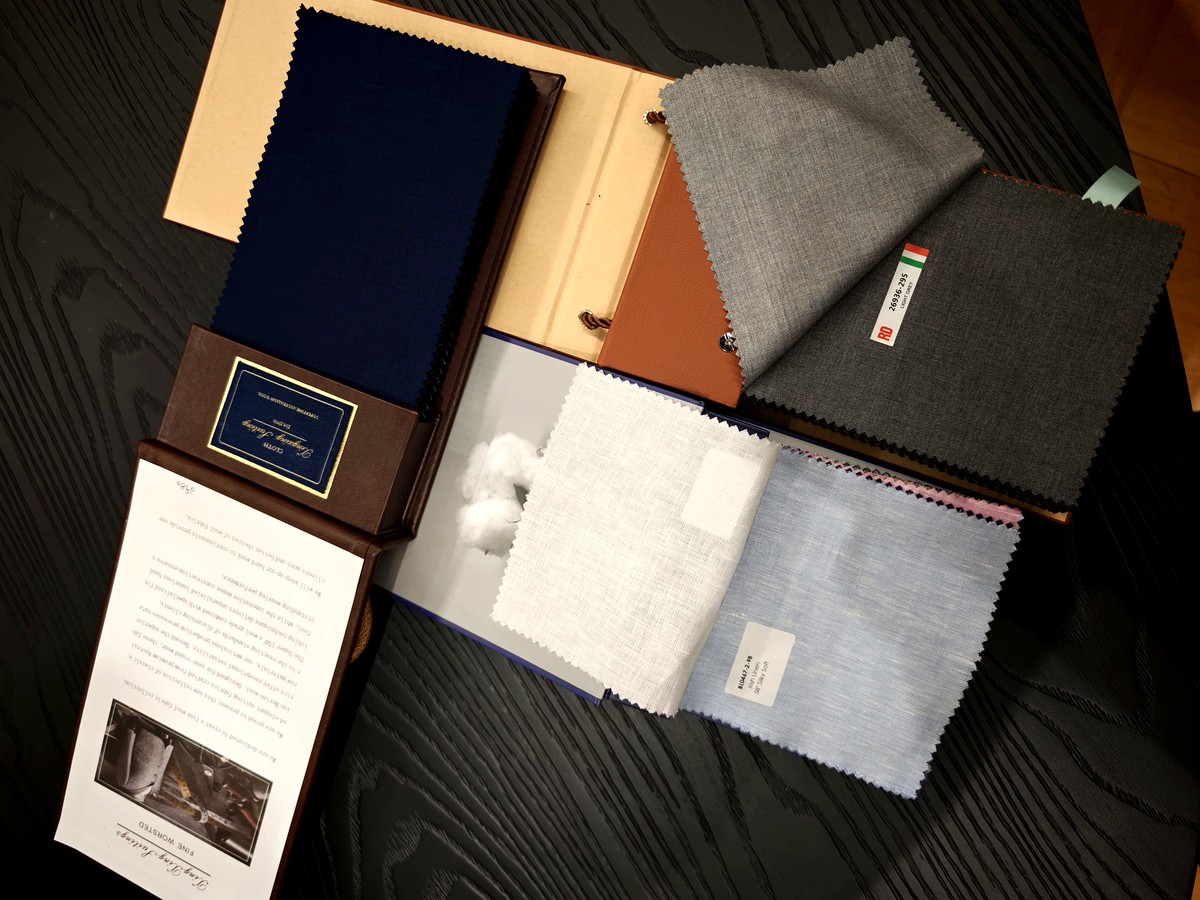
The two looks need a relationship, not a literal colour match. Consider fabric contrast at camera distance: matte wool, satin lapels, silk, sequins and glossy accessories respond differently to flash and warm indoor lighting. Discuss the ceremony and reception settings at the fitting or trial, then make practical choices with the clothing, beauty and photography teams.
For makeup, decide which elements will remain stable and which will visibly change. A base may be maintained while the eye definition, lip tone, lashes, blush placement or hair texture shifts for evening. Build the first look for comfort and photographs, then identify the smallest set of changes that will register in the next location. A separate compact “change kit” avoids the need to unpack the full morning setup in a busy side room.
When the first brief is intentionally understated, natural bridal makeup in Hong Kong is a focused reference for discussing a fresh, balanced or soft-glam direction against the dress, lighting and comfort priorities. Agree the individual finish and any product concerns directly with the artist rather than treating a reference as a fixed result.
It is better to plan where a check will happen than to request an unqualified all-day durability promise. BigDeal Make Up’s bridal makeup look-change guidance is a useful prompt to identify the outfit-change moments and timing the artist needs to discuss. Ask which touch-ups are practical within the service period, whether lashes or other elements are included, and what needs written confirmation for the final booking.
Give the photographer a transition brief: is the change a private reveal, a short editorial sequence, or simply a reset before reception coverage? A quick full-length image, close portrait and movement image can check hems, straps, tie alignment, hair and face under the actual lighting.
For Hong Kong celebrations with outdoor segments, use weather information to decide where the hand-off can safely occur, not to guarantee conditions. The Hong Kong Observatory’s nine-day page provides general indications and notes that forecast accuracy decreases with lead time; it also warns that spring and summer conditions can be more changeable.1 Check the current forecast nearer the day, keep an indoor portrait option, and make sure the second look is accessible without an exposed cross-venue dash.
Illustrative Hong Kong planning scenario: ceremony to harbour-view reception
This is a planning example, not a service promise, a client case study or a recommended fixed timetable. Imagine a couple completing a 16:15 ceremony at a Hong Kong venue with a reception in the same building. They want the first look to be formal for family portraits, then a more relaxed evening look: the suit wearer changes from a three-piece arrangement to a dinner jacket and bow tie; the other partner keeps the base makeup but changes hair texture and lip colour.
The coordinator blocks a 75-minute rejoin window. The arithmetic is visible: 10 minutes to clear guests and reach a private room, 20 minutes for clothing and accessories, 25 minutes for the hair/makeup adjustment, 10 minutes for a camera check, and 10 minutes of buffer. 10 + 20 + 25 + 10 + 10 = 75 minutes. The photographer takes the ceremony’s essential family groups before 16:15 and returns at 17:10 for three second-look images. Guests are directed toward a drinks interval, not left waiting for an unexplained absence.
The plan has two contingencies. If the ceremony runs late, the full hair adjustment becomes a shorter texture refresh and the camera check becomes one full-length image. If the assigned room is unavailable, the couple uses a pre-agreed hotel room or quiet venue space with a power point and clear access. In either case, the dinner jacket, shoes, jewellery, labelled touch-up pouch and transport information are already with the transition lead. That is what makes the two looks one wedding story: the visual change is intentional, but the schedule remains hospitable to the couple and their guests.
Practical checklist for your wedding look transition plan
- [ ] Write one sentence describing the visual role of each look and one element that links them.
- [ ] Mark the exact protected change window on the shared day schedule, including a buffer.
- [ ] Confirm changing-room access, privacy, power, mirrors, lift/hotel procedures and a named venue contact.
- [ ] Give the photographer the release time, rejoin time and priority images for both looks.
- [ ] Create a labelled second-look bag with a named owner for every small accessory.
- [ ] Confirm the artist’s actual service period, touch-up scope, travel/access requirements and any extra-look arrangement in writing.
- [ ] Share references that show front, side and back views for both looks, plus the ceremony and reception lighting context.
- [ ] Check the current Hong Kong weather forecast close to the date and keep an indoor portrait alternative.
FAQ
Is a full second outfit necessary to make the reception feel different?
No. The reception can feel distinct through a jacket or shirt change, a different tie treatment, accessories, hair adjustment or makeup shift. Choose a full change only when it supports the schedule, comfort and visual story. A smaller change often preserves more time with guests.
When should the photographer take the second-look portraits?
Reserve the moment before guests are seated or immediately after the couple rejoin the reception, depending on the event flow and light. Agree on a short priority list in advance. The photographer needs the changing location and a realistic release/rejoin window, not simply a request to “fit it in.”
What should we ask before arranging makeup or hair at a hotel or venue?
Provide the full address and room/access information, date, headcount, ready-by time, workspace details and all intended look changes. Ask what can be confirmed for travel, early starts, service duration, styling scope and touch-ups. Keep the final arrangement in writing because access and timing details can vary by venue and booking.
How can we keep touch-ups organised without sharing products?
Make a labelled kit for each wearer, with any agreed personal items separated. Keep products closed when not in use and use clean, separate applicators where relevant. Follow product labels, flag known sensitivities before the appointment, and do not treat a cosmetic plan as medical advice.2
What if the weather changes the portrait plan?
Move outdoor second-look photographs to an agreed indoor location, shorten the portrait list and protect the reception rejoin time. The second look will still read as a new chapter if the clothing, beauty and lighting choices are coordinated; no outdoor backdrop is worth turning the evening into a delay.
Relationship disclosure: BigDeal Make Up is an affiliated brand and its pages above are owned-service resources, not independent third-party rankings or endorsements. Availability, service scope, fees, travel, products and booking terms must be confirmed in writing with the relevant brand or provider.
By Manus AI — pending brand editorial review. This article does not claim review by a Touch Tailor tailor, BigDeal artist or any named individual.