Camera-Ready Colour and Comfort: Practice, Skin Questions and Hong Kong Humidity
Prepared on (not an official publication date):
Plan a Hong Kong portrait makeup briefing around colour, practice, product-sensitivity questions and humidity without promising a fixed result.
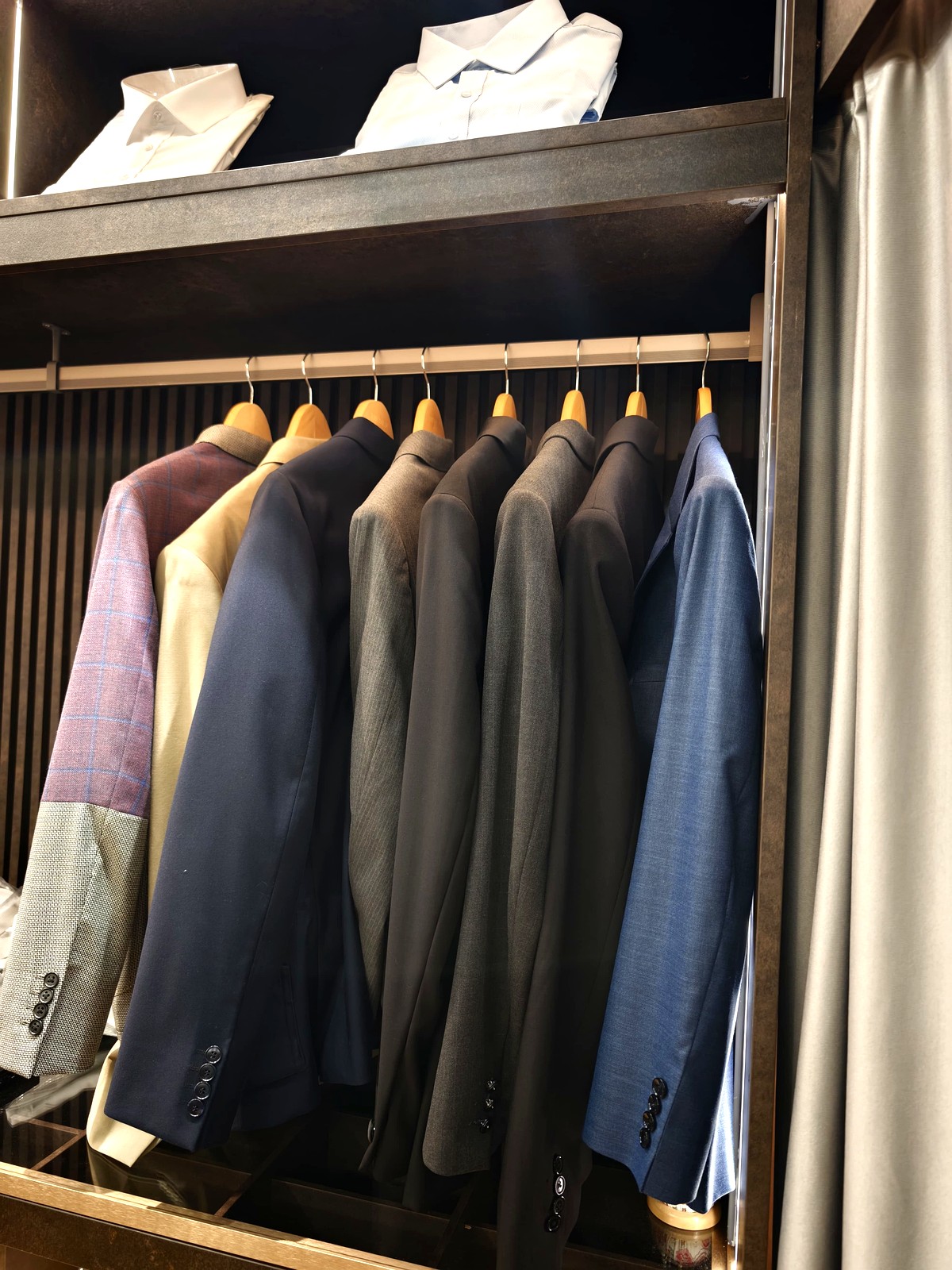
A useful portrait makeup briefing does not ask a makeup professional to make someone “perfect”; it gives them a clear, non-medical picture of clothing colour, the camera setting, comfort limits and a realistic humid-day plan. For a Hong Kong portrait day, agree on what “fresh”, “matte”, “glow” and “touch-up” mean before the first brush is lifted, then build the schedule around the venue and weather rather than hoping the look will behave identically all day.
A tailored jacket, dress or suit can read calm and intentional in person but take on a different visual weight beside a very warm, very cool or high-shine makeup palette. The aim is coordination—not matching every colour exactly—and it begins with a short brief that lets wardrobe, hair and makeup decisions support the same photograph.
Start with a brief that is specific, but not prescriptive
A portrait brief is a communication document, not a diagnosis of skin, a guarantee of wear, or a substitute for a makeup professional’s judgement. It is most helpful when it describes observable choices: the navy, charcoal, ivory, muted green or patterned garment being photographed; the background; how close the camera will be; whether the portraits are for a LinkedIn profile, engagement announcement, ceremony, family group or business website; and how the wearer wants to feel.
For a LinkedIn or company-profile portrait, state whether glasses will stay on and bring the pair you normally wear. Ask the makeup professional to assess eye definition with them in place, rather than relying on a glasses-free reference. BigDeal Make Up’s corporate headshot makeup page can help prepare that conversation; specify whether the photograph should reflect your everyday work appearance or a more formal presentation.
Avoid a vague instruction such as “make me look brighter.” It leaves too many decisions unstated. Instead, say whether the desired impression is polished but low-key, softly defined, formal, youthful, editorial or naturally familiar. Give a practical comfort boundary too: “I am happy with light contour but do not want a heavy-feeling base,” or “I am comfortable with a defined lip only if it can be checked after lunch.” Those statements make room for professional recommendations while preserving the wearer’s priorities.
The clothing should enter the conversation early. A dark business suit creates a high-contrast frame around the face, while a pale collar, a champagne dress or a reflective accessory can shift the perceived balance of colour in an image. Someone preparing a corporate headshot alongside a new suit can use Touch Tailor’s made-to-measure business suit service as a starting point to identify the final jacket, shirt and neckline; bring photographs or swatches of those confirmed pieces to the makeup conversation. This is not a claim that a garment determines a makeup result. It simply prevents the team from planning a face in isolation from the most visible colours around it.
| Brief element | What to state | Why it changes the conversation |
|---|---|---|
| Wardrobe palette and texture | Main garment colours, neckline, shine, pattern, jewellery and whether anything may change | It helps the team judge relative contrast instead of naming a generic “best” shade. |
| Camera environment | Indoor/window light, outdoor shade, mixed evening light, flash or a videographer | It distinguishes a close portrait from a wide group image and flags transitions. |
| Desired finish | For example: softly matte, skin-like, restrained glow, defined eyes or a quiet lip | It turns subjective words into priorities that can be discussed and revised. |
| Comfort and maintenance | Sensory dislikes, known product preferences, lenses, touch-up tolerance and change windows | It sets a realistic maintenance plan without medical claims. |
| Day logistics | Call time, travel, dress-change order, first photograph and indoor fallback | It gives preparation time a job and prevents an avoidable rush. |
A good brief also separates reference from instruction. Two or three images can show the level of contrast, lip intensity or hair silhouette someone likes. They should not be presented as a demand for an identical outcome on a different person, in another light, or with another wardrobe. Label each reference with the single detail that matters: “I like the soft brow,” “I like that the neck stays visually open,” or “I prefer this amount of sheen.”
Translate shade into wardrobe contrast and camera language
The word “shade” often gets overloaded. In a practical briefing, it can mean the visible depth of base makeup, the warmth or coolness of blush and lip choices, the relationship between face and collar, and whether the final image should show crisp contrast or a gentler tonal range. It need not ask the wearer to classify their complexion or use a rigid colour system.
Start with the clothes and ask four small questions. Is the nearest fabric to the face light or dark? Does it look warm, cool or neutral under the planned light? Is the fabric matte, satin, sequinned or glossy? Does the neckline expose the neck and shoulders or form a strong border under the jaw? Answering these questions gives a makeup professional useful material for suggesting a balance rather than chasing a named trend.
For instance, a charcoal or deep-navy suit with a white shirt may benefit from a brief that asks for facial definition visible at conversational camera distance, not necessarily a stronger overall base. A warm ivory dress with gold jewellery may lead to a conversation about keeping blush, lip and highlight harmonious with the ensemble while protecting the wearer’s preference for a restrained finish. A patterned outfit often warrants fewer competing focal points: say which feature should be the visual centre—eyes, lip, hair shape or the clothes themselves.
Before asking for more coverage, identify whether the concern is a face-to-neck colour difference, unwanted heaviness or distracting shine. Check beside the actual collar in natural light, then ask which single adjustment to assess first. BigDeal Make Up’s foundation shade matching guide is a preparation reference for separating shade, coverage and finish, rather than changing all three at once.
This approach is especially useful when a single portrait session includes both professional and celebration images. Keep two lines in the document: core look (what must stay recognisable across all pictures) and optional adjustment (what may change after the first set). The core might be a comfortable base and groomed brow; the adjustment might be a deeper lip or an added hair accessory. It is a better planning tool than asking for two entirely unrelated looks with no time allocated between them.
Hair belongs in the same visual conversation. A hair silhouette changes the space around the face, the visibility of the collar and the way earrings appear in profile. For a reader who already has basic application skills and wants to practise translating wardrobe and camera notes into a repeatable routine, BigDeal Make Up’s makeup refresher class is a relevant learning-resource enquiry. Use it to ask about current themes, practice format, language, tools, dates and fees; it does not promise a specific photographic result.
Put comfort and hygiene in the brief without turning it into medical advice
Comfort is visual information. A person who feels over-powdered, distracted by a tight updo or worried about product transfer may look less at ease, no matter how coherent the palette is. State comfort needs in plain language: preferred coverage range, whether a long-wear lip feels intrusive, whether lashes or a particular texture are unwelcome, and how much time the person will realistically spend checking their appearance. Do not label a concern, promise tolerance or ask the artist to solve a health issue.
Readers who want a structured starting point for factual product-history and process questions can use BigDeal Make Up’s sensitive skin makeup questions resource before speaking with a provider. It can help frame questions about prior discomfort, patch-test options and clean application practices, but it is not medical advice and cannot determine the cause of a reaction; current products, services, fees and availability require written confirmation.
If the wearer already knows that a particular product, fragrance or application around the eye has been uncomfortable before, note that history factually and bring the product list if available. Ask how the team handles clean tools, individual applicators and product selection. The U.S. Food and Drug Administration advises consumers not to share eye cosmetics, to keep eye-area instruments clean and to use single-use applicators for retail sampling; those principles make sensible, non-clinical questions for a portrait-day setup. 2 If irritation occurs, stop using the product and seek appropriate professional advice rather than treating the portrait brief as a solution.
| Conversation topic | Helpful wording | Avoid saying |
|---|---|---|
| Texture | “I prefer a lightweight-feeling finish and can carry blotting papers.” | “This product will definitely last without discomfort.” |
| Eye-area products | “Please tell me how applicators and tools are kept clean; I do not share eye cosmetics.” | “I am allergic to everything” without a clinician’s assessment or usable detail. |
| Hair security | “I need to move between locations and would like a discreet check before the group photographs.” | “This updo must never shift in any weather.” |
| Product history | “I have avoided this named item before; can we discuss alternatives?” | “Please diagnose why my skin reacted.” |
A brief should also make the division of responsibility clear. The wearer can supply preferences, references, confirmed wardrobe and any relevant product information. The makeup or hair professional can explain what is feasible within the appointment, products and method. The photographer can flag lighting and close-up needs. No one should imply that makeup is treatment, that a cosmetic outcome is risk-free, or that a single planning note overrides a professional’s safety process.
Plan for Hong Kong humidity as a workflow, not a promise
Humidity is not a small footnote in a local portrait schedule. The Hong Kong Observatory says May to August are hot and humid, with occasional showers and thunderstorms, and about 80% of Hong Kong’s annual rain falls between May and September. 1 That does not predict a particular shoot day, nor does it mean every look will break down. It does mean the brief should contain an indoor fallback, a dry place to change, a realistic transfer route and a short plan for checks after outdoor exposure.
Write expectations in operational terms. Instead of “makeup must survive humidity,” specify: “We will take the essential headshots indoors first; outdoor photographs are optional after that.” Instead of “the hair must last all day,” specify: “Please identify where I can check the hairline and collar after the 12-minute walk from the MTR.” A shorter, staged plan respects both the weather and the human wearing the look.
Build a compact touch-up kit around agreed needs, not an imagined full reapplication. Blotting materials, a lip product if one is being worn, a small mirror, tissues and a clean hair accessory can be enough for a planned checkpoint. Confirm which products or tools are appropriate to carry and who will carry them. Avoid improvising shared eye products on the pavement or in a moving vehicle; hygienic handling and a stable setting matter more than squeezing in one last step.
The day-before message is also part of the brief. Send the final wardrobe photographs, timeline, precise venue entrances, whether air-conditioning is expected, contact person and weather fallback. Check the official forecast and warnings near the session, but do not promise that timing alone will defeat rain, wind or heat. If disruption changes the location or call time, revise the sequence of essential shots first—not the wearer’s comfort boundary.
A Hong Kong planning example: two locations, one coherent portrait story
Illustrative scenario—planning assumptions, not a service quotation or a tested result: A professional has a 09:30 indoor profile-photo slot in Central, followed by optional 11:15 outdoor couple portraits under a covered walkway. The wardrobe is a deep-navy made-to-measure suit, pale-blue shirt and a second, softer dress for later images. The forecast is checked the evening before; the plan assumes a humid morning but does not assume dry weather.
The portrait makeup briefing names a skin-like, low-shine core finish; softly defined eyes; and a lip colour that remains understated beside navy and pale blue. It includes close photographs of both collars, a note that the wearer does not want heavy lashes, and a request for a mirror-and-blot checkpoint after changing. The team photographs the business-suit images first indoors, while the visual relationship between face, shirt and jacket is controlled. The optional outdoor set happens only if conditions and time remain comfortable; otherwise the indoor images already meet the primary purpose.
The schedule reserves 15 minutes for dressing and a calm final check after makeup, plus a 10-minute recovery/check buffer after the location walk before the second set. These are not industry standards or guarantees. They are simple arithmetic: a 09:30 first shutter time, minus 15 minutes for dressing and a calm final check, means the ready-for-dressing target is 09:15. If a 12-minute walk and a 10-minute recovery/check are needed before an 11:15 outdoor start, leaving the first location by 10:53 gives the transition 22 minutes. Stating assumptions makes it easier to revise the plan if a garment change or weather alert adds time.
If the wearer wants to rehearse the touch-up sequence rather than carry a full second kit, BigDeal Make Up’s long-lasting makeup for Hong Kong humidity offers a provider resource for questions about preparation, light layers, setting and touch-up planning. It is not a promise that a look will remain unchanged in any weather or suit every wearer; current products, services, fees and availability must be confirmed in writing.
A send-ready portrait makeup briefing checklist
Use this list as an email or shared note one week before the appointment, then update it the day before when the route and weather are clearer.
- [ ] Attach one front and one side photograph of each confirmed outfit, plus close images of collar, neckline, jewellery and any hair accessory.
- [ ] State the primary image purpose, camera environment, first must-have shot and any optional second setting.
- [ ] Describe the desired visual direction in three to five words, then identify one feature to emphasise and one to keep restrained.
- [ ] Note practical comfort preferences: coverage, shine, lashes, lip maintenance, hair tension and lens use, without requesting a diagnosis or a guarantee.
- [ ] Ask about clean-tool and individual-applicator procedures, particularly for eye-area work; do not plan to share eye cosmetics.
- [ ] Confirm call time, dressed-by time, departure route, changing space, indoor fallback and the person who has the final go/no-go decision if weather changes.
- [ ] Agree one or two touch-up checkpoints and what will be carried. Keep the kit narrow enough that it can be used calmly.
- [ ] Keep all services, timing, travel, fees, products, class details and availability subject to the relevant provider’s written confirmation.
Frequently asked questions
Does a portrait makeup briefing tell an artist exactly which products to use?
No. It states visual priorities, comfort preferences and constraints. Product choice and technique should remain a discussion with the professional carrying out the work, subject to their process and what is available.
Should the brief include unedited selfies?
Yes, if the wearer is comfortable sharing them. A recent daylight image, along with wardrobe photos, can give useful context. It should be treated as reference material rather than a demand to copy a filter or erase a feature.
How many inspiration photographs are enough?
Usually two or three are more useful than a large gallery. Label the exact detail being referenced, such as hair volume, lip depth or the amount of shine, so the images do not create contradictory instructions.
Can a humid-day plan guarantee makeup or hair will stay unchanged?
No. It can reduce avoidable pressure by sequencing important indoor images first, allowing time for checks and creating a weather fallback. Hong Kong weather conditions and individual comfort still vary.
Is this framework only for weddings?
No. It works for headshots, engagement sessions, graduation portraits, corporate events and wedding-related images because it coordinates the same variables: clothing, camera context, comfort and day logistics.
Disclosure and author
BigDeal Make Up is an affiliated brand and the linked pages are owned-service resources, not unrelated third-party rankings or independent endorsements. This article is published as a practical communication framework; availability, services, courses, fees, schedules and any individual arrangement require written confirmation from the relevant provider.
Author: Manus AI — draft for brand editorial review. This article has not been reviewed by, and does not speak for, a Touch Tailor tailor, a BigDeal instructor or any named individual.