Morning Ceremony to Banquet: Keeping Tailoring and Makeup Decisions Connected
Prepared on (not an official publication date):
Plan ceremony-to-banquet styling by connecting outfit formality, touch-up windows, venue changes and a Hong Kong wedding run sheet.
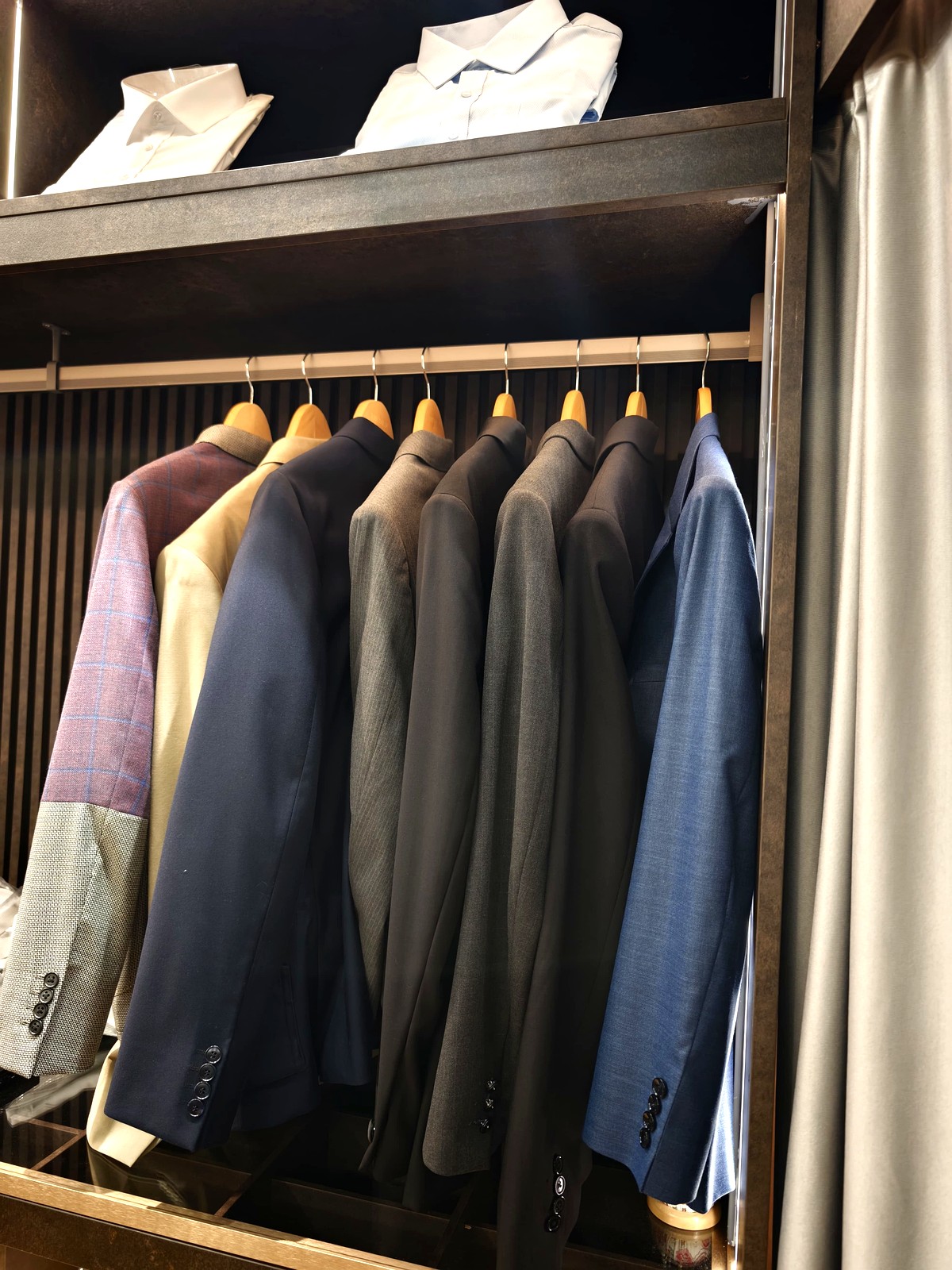
A smooth ceremony-to-banquet styling plan starts by treating tailoring, hair and makeup as one timed visual system, rather than three appointments that happen to share a date. Set the day’s formality first, then reserve protected windows for dressing, portraits, travel and touch-ups before deciding whether a second look is actually useful.
The most successful change is not necessarily the most dramatic one. It is the change that still looks intentional after a car ride, a humid outdoor photo stop, a family greeting line and the first twenty minutes of banquet photography. For couples planning in Hong Kong, this means working backwards from the moments that will be photographed and allowing each supplier to see the same short run sheet.
Start with one look-change map, not separate supplier plans
A wedding day can appear simple on a calendar—ceremony in the morning, dinner at night—but the clothing and grooming decisions underneath it are interdependent. A structured morning suit, a soft-shouldered lounge suit and a dinner suit communicate different levels of formality. A veil, hair accessory, lip finish or evening earring can either reinforce that message or compete with it. The goal is not that every detail matches literally; it is that the levels of polish agree.
Make a one-page look-change map before choosing extra coverage. List each public moment in chronological order: preparation photographs, civil ceremony or tea ceremony, family portraits, travel, hotel arrival, guest reception, entrance and table visits. Beside each moment, add the outfit, footwear, hair direction, makeup intensity, accessories, photo priority and the latest time the wearer must be ready. This document gives a tailor, stylist, photographer and venue coordinator the same working reference without requiring them to make decisions for one another.
It also exposes false “gaps.” A three-hour break between ceremony and banquet may not be spare time if it contains hotel check-in, traffic, a meal, garment steaming, changing rooms, portraits and guest arrivals. The useful question is not “How many looks do we want?” but “Which change improves the evening enough to justify the time it removes from the schedule?”
Where a morning civil or tea ceremony needs its own preparation window, BigDeal Make Up’s wedding morning makeup guidance can help frame an enquiry. Provide the ceremony time, preparation address, outfit references and ready-by time, then ask the provider whether a single-session arrangement fits the schedule. It does not confirm a particular look, timing, duration or booking.
For the groom, a fitting conversation is a sensible point to decide whether daytime and evening should read as one continuous outfit or two distinct levels of formality. Touch Tailor’s bespoke wedding suit service can be a reference point for discussing wedding-suit formats and coordinated accessories; confirm the actual garment, lead time, fittings and availability directly with the brand.
Let garment formality set the ceiling for the beauty change
Use formality as a guardrail. A daytime ceremony often benefits from clarity of line: fabrics that read well in daylight, a restrained accessory story and makeup that looks considered at close range. An evening banquet can support more depth in the lip, eye definition, shine, jewellery or hair shape. It does not require every element to become more elaborate.
| Day-to-evening route | Clothing signal | Beauty direction that keeps the story connected | Change pressure |
|---|---|---|---|
| One tailored suit, accessories refreshed | Continuous and modern | Keep the base and hair architecture; adjust lip, eye definition, pocket square or jewellery | Low |
| Day suit to dinner suit | Clear step up in formality | Preserve the complexion and core hairstyle; add controlled polish that suits evening lighting | Medium |
| Traditional daytime dress to formal evening gown | Strong silhouette and accessory change | Plan a defined hairstyle or makeup emphasis change, but keep one recognisable feature | High |
| Ceremony outfit and banquet outfit with no formal shift | Relaxed and practical | Prioritise comfort, shine control and a short reset over a full transformation | Low |
A useful design rule is to carry one or two visual “through-lines” across the day. It might be a warm metal tone shared by cufflinks and hair accessories, a burgundy note repeated in a tie and lip colour family, or simply a consistent soft-versus-crisp mood. This avoids a morning that looks romantic and a banquet that looks unrelated merely because both are fashionable on their own.
Before committing to a substantial evening change, BigDeal Make Up’s two-look bridal trial page can help frame the comparison. Bring images of both outfits and the intended hair accessories, then ask which elements can be assessed within the agreed trial scope. Record what would need removing, rebuilding or refreshing between looks, and ask for a transition-time estimate before reserving the wedding-day window. Two appealing finished looks are not proof of a workable change.
The same principle applies to the wedding party. Groomsmen in dark eveningwear beside a bride in a deliberately light daytime beauty look can be visually uneven in group photographs. Conversely, a heavily formalised morning look can feel overworked beside linen or light-coloured tailoring. Review a phone photograph of fabric swatches, dress imagery and proposed accessories together. It is not a colour-calibration test, but it will reveal obvious clashes of sheen, scale and formality early.
Do not use a sensitivity concern as a reason to make last-minute product experiments. Makeup is generally regulated as a cosmetic product; the U.S. Food and Drug Administration distinguishes it from products that make treatment or disease-prevention claims. That is a useful reminder to share known sensitivities and existing routines with the artist, read product information, and seek appropriate professional advice for a concern rather than requesting an unqualified “allergy-safe” promise. 2
Build touch-up windows that the day can actually protect
A touch-up window is not the same as “the artist is around somewhere.” It is a designated time, a usable location, access to the person changing, enough light and a clear limit on what can be accomplished. A five-minute pause beside a lift can manage a lipstick check or a lapel adjustment; it is not a dependable setting for a hairstyle rebuild, garment repair or full makeup change.
| Protected window | What is realistically planned | What can disrupt it | Practical response |
|---|---|---|---|
| After ceremony portraits | Blotting, lip refresh, veil or boutonnière check | Relatives joining photos, late transport | Nominate one family contact to release the couple on time |
| Before leaving the day venue | Change clothes, steam a garment, reset hairline | Changing room unavailable, rain or traffic | Confirm a private room and leave a buffer before departure |
| At banquet venue before guest arrival | Controlled makeup or accessory enhancement | Early guests, photographer call time | Set a hard “ready for lobby” time, not just a service start |
| Between courses or after speeches | Brief shine and garment check | Formal greetings and table photos | Assign only minor maintenance, never a planned second look |
Consider the weather as a scheduling variable, not a reason to predict how a product or fabric will behave. The Hong Kong Observatory’s MyObservatory service provides location-based rainfall and lightning forecasts for the next one or two hours, weather warnings and a nine-day location-based forecast. 1 On the day, check it before an outdoor portrait stop and again before a cross-district transfer. If rain, wind or a warning changes the plan, move the photo sequence or cover route first; then use the protected window for the modest grooming reset that remains possible.
This is also why “touch-up included” is not a complete planning instruction. Ask what the intended window is, where it happens, whether the person providing it travels with the party, and what counts as a touch-up versus a more substantial re-style. Equally, tell the tailor or dresser about the change: a new jacket, removable overskirt, bow tie, cufflinks or hair accessory may need hands, time and a clean surface. A plan becomes reliable when every change has both a time owner and a space owner.
If the sequence genuinely needs makeup-and-hair support across more than one wedding moment, BigDeal Make Up’s big day bridal makeup overview can help structure an enquiry around the ceremony, banquet and handover points. Supply the run sheet and locations, then obtain written confirmation of any actual scope, staffing, timing, travel, touch-ups and availability; the overview is not a commitment that those arrangements can be provided.
Choose styling support by handovers, not package labels
Service labels such as “banquet,” “half-day” or “full-day” are only useful after the look-change map exists. Compare the service period to the periods where the couple needs someone present—not merely to the total number of hours between first makeup and last photograph. A split morning and evening arrangement may suit a long gap with secure access to a second preparation location. Continuous support may be more practical when transfers, photography and family ceremonies eliminate that gap.
If you are weighing a split booking, BigDeal Make Up’s morning and banquet bridal makeup page is a preparation reference for the handover discussion. Mark the proposed morning finish and evening restart on the run sheet, then identify who will carry the agreed maintenance kit and coordinate garment handling between them. Ask whether any artist support is available during that interval and confirm the actual coverage and transfer arrangements in writing before treating the gap as supported time.
For an evening-only question, BigDeal Make Up’s banquet bridal makeup guide can help prepare a focused enquiry around the reception venue, desired evening polish, access time and expected touch-up moments. Check the actual scope, staffing, timing, travel conditions, fees and availability in writing rather than treating the page as a promise for a particular date.
Keep the decision separate from the desire for variety. A couple may choose one morning look and a small evening enhancement because the dinner outfit changes the formality level without changing the person’s visual identity. Another may need a more extensive reset because a ceremony dress, hairpiece and evening gown have genuinely different structural demands. Neither is “better”; the correct choice is the one whose change can be completed without rushing portraits, transport or the entrance.
Before treating two suppliers’ labels as comparable, prompt a line-by-line discussion of look count, continuous coverage, location, transfer and basic touch-up expectations. Request the final scope, exclusions, travel conditions, overtime terms and any change support in writing from the provider you choose. Do not assume terminology, availability or charges are identical across brands.
A practical planning checklist
- Write every public and photo-critical moment in order, including estimated travel and venue access time.
- Place the formalwear decision beside each moment: daytime formal, evening formal or intentionally continuous.
- Mark each proposed change as accessory refresh, minor grooming reset or full outfit/beauty change.
- Protect the room, light, mirror and privacy needed for each change; name the person who confirms access.
- Give the same current run sheet and outfit references to the tailor, makeup artist, hair stylist, photographer and coordinator.
- Ask in writing what is included, what constitutes extra time or travel, and who remains available during each requested window.
- Keep a small, agreed maintenance kit with the people who will actually be nearby; avoid introducing unfamiliar products on the day.
- Recheck the schedule after the venue, photographer and transport details are final, then simplify any change that has no credible window.
Illustrative Hong Kong scenario: Central ceremony to a Kowloon banquet
Planning example only: This scenario uses timing assumptions to show the method; it is not a service quote, a recommended itinerary or a promise that traffic, venue access or styling can be completed within these intervals.
A couple plans a 10:30am civil ceremony in Central, lunch and family photographs nearby, then an evening banquet in Kowloon. The bride has a refined daytime dress and an evening gown; the groom wears a tailored daytime suit and changes to a dinner jacket for the banquet. Their desired evening difference is purposeful but not theatrical: more defined lip colour and earrings for the bride, a dinner jacket, bow tie and pocket square for the groom.
They set 2:45pm as the last family-photo finish, 3:00pm as departure, 3:45pm as venue access, and 4:00–5:00pm as a 60-minute protected change block. The arithmetic is visible: 15 minutes to change garments and footwear + 20 minutes for a planned makeup and hair enhancement + 10 minutes for accessories and grooming + 15 minutes contingency = 60 minutes. They then set 5:00–5:20pm for couple portraits inside the venue and a 5:30pm hard-ready time, ahead of a 6:00pm guest arrival. These are planning assumptions, not estimates of a particular provider’s work.
The outcome is connected because each person moves one step up in formality. It is also resilient because the evening change is not asked to repair a chaotic afternoon. If outdoor photos run late, the couple can drop the portrait slot while keeping the 60-minute change block. If weather makes the transfer harder, the venue portraits may become the priority. If the afternoon is smooth, the contingency becomes time to eat, breathe and review the entrance sequence.
This example also shows a useful boundary: do not plan a dramatic hair reconstruction, a complex garment alteration and an inter-district transfer inside the same hour. Pick the visual change with the clearest impact, then protect the time it needs.
Frequently asked questions
Do the morning outfit and banquet outfit need to match exactly? No. They should share a coherent degree of formality and one or two visual cues, but a dinner jacket, richer lip finish or different jewellery can make the evening feel distinct without creating a disconnected second theme.
When is a full beauty change justified? It is most defensible when the evening garment, hairstyle structure or event formality changes substantially and there is a real, private window for it. If the evening difference is mainly an accessory or lighting shift, a controlled enhancement may be the more reliable choice.
How much time should a touch-up window have? Decide from the task rather than a generic number. A lipstick and shine check is unlike changing a hairstyle, dress, jacket and accessories. Build the minutes for each task, then add a contingency that is visible in the run sheet.
Should the tailor be told about beauty and photography timings? Yes. The tailor does not need to direct the makeup, but knowing the ceremony formality, outdoor-photo plans and change sequence helps make accessories, layers and garment handling practical.
What should be confirmed before booking styling support? Confirm the date, addresses, ready-by time, requested looks, person count, service window, transfers, touch-up definition, overtime or waiting conditions, exclusions and payment or cancellation terms in writing.
References
Disclosure: BigDeal Make Up is an affiliated brand. Its resources above are included as owned-service planning references, not as an independent third-party review or ranking. Availability, package scope, staffing, fees, travel terms and scheduling must be confirmed in writing with the relevant provider. By Manus AI; pending Touch Tailor brand editorial review.