Hair, Language and Lesson Format: Planning Makeup Learning for Formal Events
Prepared on (not an official publication date):
Plan makeup learning for a formal event by matching hair, language, venue and feedback to your outfit, schedule, lighting and repeatable routine.
The right makeup class format for a formal event gives you a repeatable makeup-and-hair plan under conditions close to the real occasion—not merely a finished demonstration to admire. Start with the job the look and hairstyle must do alongside your clothes, timetable and camera setting; then choose the feedback, language and rehearsal that job requires.
A sharp dinner suit, a satin dress or a structured trouser suit already creates lines, contrast and texture. Makeup and hair do not need to compete with those elements. The more useful question is: what should I be able to do calmly on the day, after getting dressed and before I leave? That question turns a vague wish to “learn event makeup” into a decision about objectives, practice format and follow-up.
Begin with the event task, not a trend reference
A reference image can communicate mood, but it cannot tell a learner what must happen at 6.30 pm with their own products, collar and glasses. Before comparing formats, write a one-sentence event task: “I need a polished face for a midnight-blue dinner suit that can be refreshed before photographs.” This sets priorities for base, colour, pace and touch-up.
For a wedding guest, the task might be comfort through ceremony, transport and dinner. For an award evening, it might be clear definition under reception lighting without looking unfamiliar close up. The learning objective—not the reference image—should decide what gets practised.
Hong Kong conditions are a planning factor, not a reason to chase a weather-proof look. The Hong Kong Observatory describes May through August as hot and humid, with showers and thunderstorms at times; it also notes that afternoon temperatures often exceed 31°C.1 For an outdoor arrival or long journey, test which steps remain comfortable after normal movement and what belongs in a small touch-up kit.
Compare learning formats by the feedback you need
Formats are best compared by their feedback. A demonstration introduces a sequence; guided self-application reveals hesitation; a dress rehearsal checks the look beside the actual outfit. Each addresses a different learning gap.
| Learning format | Best use when the objective is | Practice evidence to leave with | Questions to confirm in writing |
|---|---|---|---|
| Demonstration or observation-led session | Understanding a sequence and product categories before buying or practising | A clear step order, product notes and a list of questions | Whether the learner applies any steps, group size, duration and materials |
| One-to-one guided self-application | Building confidence with a personal routine or addressing specific fit, glasses or timing needs | A repeatable face chart or step list, plus a timed first attempt | Tutor availability, language, tools, hygiene process, fee and what is included |
| Small-group practical class | Learning core skills while sharing a structured environment | Individual practice time and notes on the core technique | Maximum attendance, amount of individual feedback, supplies and cancellation terms |
| Outfit-and-lighting rehearsal | Checking how a personal look relates to event clothing, hair and normal photography | A tested sequence, touch-up plan and record of anything to change | Whether an outfit, accessories, photographs or follow-up review are permitted |
| Short refresher or supervised practice | Reducing friction after an earlier lesson | A second attempt with fewer prompts and identified weak points | Prerequisites, session scope, timing and current arrangement |
Location and teaching language are practical parts of the format, not administrative afterthoughts. If you would need instructions rephrased while working around an outfit, glasses or a hair detail, decide that before you enquire. BigDeal Make Up’s guide to makeup class locations in Hong Kong is a useful prompt to confirm the venue and teaching language in writing; it does not establish a current venue, language arrangement or class availability.
Someone preparing for black tie may gain more from guided self-application and a short rehearsal than from an overview of trends. Someone building a first work-to-evening routine may prefer a starter session and independent practice before a review. In both cases, the format should make the routine transferable beyond the studio.
If the decision is specifically about feedback and practice time, BigDeal Make Up’s one-on-one versus group makeup class guide can help turn that choice into questions about pace, corrections and individual practice. Treat it as a comparison resource rather than confirmation of a current class, tuition, duration, materials or follow-up.
Turn a formal outfit into a practice brief
Clothing supplies useful constraints. A wool dinner jacket, velvet lapel, high-shine satin, sequins or a pale neckline creates a different setting around the face. Note the contrast, areas close to the face and parts you do not want to mark. Then ask how to keep texture or colour in balance, rather than asking for a prescribed shade.
Hair belongs in the same brief. An updo reveals more cheek and neck; soft waves can soften a sharp shoulder line; a sleek style can make a bold lip feel intentional. Decide which element leads. Strong lapels or jewellery may call for a clean base and controlled eye definition, while a minimal garment leaves room for a focal point. Bring a garment photo in daylight and indoors as context, not as an instruction to copy another face.
Where a formal-event brief includes hair as well as makeup, BigDeal Make Up’s Set頭 course Hong Kong guide gives useful language for asking about sectioning, base-building and hair-accessory styling. Its published description is an enquiry starting point, not confirmation of a current course, availability, actual duration, fee, instructor or credential.
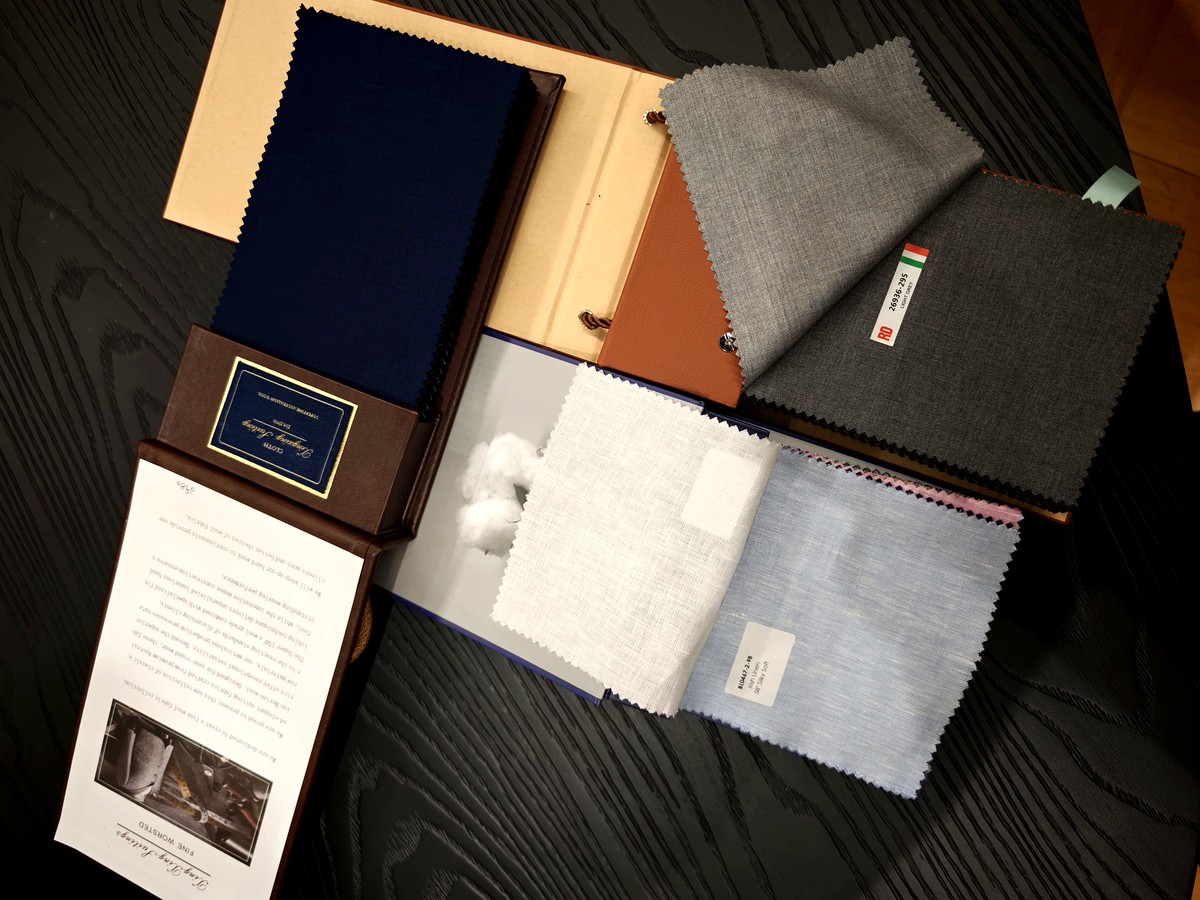
For readers planning a formal fitting or evening event, Touch Tailor’s evening-suit service provides a clothing reference point. The connection is not a fixed suit-colour-and-lipstick formula; it is deciding garment silhouette and details early enough that makeup practice has real outfit context.
Camera concerns also benefit from specific language. Say whether the event involves a phone photo at arrival, flash photography, stage lighting, video, or simply close conversation across a dinner table. Then ask to practise the placement and blending that you can recreate, take a few ordinary test images, and judge them alongside the live mirror view. Avoid treating a test photo as a clinical verdict: exposure, white balance and distance all change an image. It is still valuable feedback about whether the overall contrast feels like you.
If the base looks wrong beside a pale shirt collar or satin neckline, check the colour in natural light before increasing coverage. Use BigDeal Make Up’s foundation shade matching guide as a preparation reference, then compare two levels of coverage under the same indoor lighting. Note whether the concern is colour, visible texture or shine, so your lesson brief identifies a specific decision to practise rather than simply requesting a heavier look.
Make repetition, hygiene and timing part of the lesson
A lesson is only as useful as the practice it unlocks. The first run-through can be slow; the second should be simpler; by the third, the order should not require a video or unused products. That is why time for the learner’s own hands often matters more than the number of techniques displayed.
Ask for a deliberately small routine: preparation; base and concealing; brows; eyes; cheeks and lips; plus one optional evening adjustment. Practise with the tools you expect to use at home. Simulate constraints such as a shirt collar, mask during transport or a hairline detail, and record the order in plain language rather than as a shopping list.
Before buying tools for the event, repeat one difficult step with your usual brush and note where control breaks down: picking up product, placing it or blending it. Use BigDeal Make Up’s makeup brush lesson guide to frame an enquiry about tool-handling practice versus help choosing products. Ask which personal tools you may bring and use yourself; do not assume new brushes or products are included.
Hygiene is not a cosmetic extra. The American Academy of Dermatology says brushes collect residue, dirt and oil and recommends washing them every seven to ten days; it also advises against sharing brushes.2 Ask how shared tools are handled, whether personal tools are welcome, and what should be brought. This does not establish a health claim about any particular school or service.
For a first-timer, the same principle still applies: frame an enquiry around a calm, repeatable personal routine, then ask what practice, tools and correction time are actually included. A published outline can help a learner form better questions; written confirmation establishes what is offered on a chosen date.
Planning example — illustrative Hong Kong gala scenario
This is a planning example, not a quotation, timetable guarantee or account of a client. Imagine a guest with an early-evening hotel gala, a navy dinner suit, a white shirt collar and a short taxi journey in a warm month. Their objective is not “a red-carpet look.” It is a comfortable personal look that appears deliberate at reception, reads clearly in ordinary phone photographs and can be refreshed without restarting the face.
They choose a self-application format because they have little everyday makeup experience. The brief asks for a light-to-medium base, brow structure, a muted eye direction, coordinated lip and cheek colour, and a five-minute refresh. They bring a jacket photograph, note the close collar and explain that glasses will be worn for part of the evening. Hair shape is discussed so cheek placement is rehearsed in context.
The time assumption is transparent: four 15-minute rehearsals plus one 45-minute dressed check equals 105 minutes. The first three reduce prompts, the fourth identifies touch-up items, and the dressed check identifies collar-transfer risks. If this is too much, reduce the look to repeatable steps. Lesson length, fee, tutor, venue, product provision and credentials remain subject to written confirmation.
Use an enrolment-and-practice checklist before committing
The following checklist keeps the decision anchored to outcomes rather than promotional language:
- [ ] Write the event task, including clothing, lighting, transport and your realistic getting-ready time.
- [ ] Identify the gap: explanation, feedback, hands-on repetition, outfit rehearsal or a refresher. Choose the format for that gap.
- [ ] Send outfit photographs and state relevant factors such as glasses, facial hair, a high collar, hair accessories or an early start.
- [ ] Ask what you will do yourself and how much time is reserved for correction and a second attempt.
- [ ] Confirm in writing the date, time, location, class size, language, fee and payment terms, rescheduling terms, supplies and what you may bring.
- [ ] Ask whether a credential or certificate exists; if it matters, request its issuer, assessment basis and wording in writing.
- [ ] Clarify shared-tool hygiene and bring permitted personal tools; do not share brushes casually.2
- [ ] Practise the edited routine twice, then photograph it in lighting similar to the event.
- [ ] Keep the agreed scope and key messages. Hong Kong consumer-contract guidance says ordinary consumer contracts need not be written, but obligations turn on what the parties agree; a written record reduces ambiguity.3
This checklist does not turn an enquiry into legal advice. It simply makes the decision more legible to both learner and provider, especially when a class, one-to-one session or follow-up has several moving parts.
Frequently asked questions
Is a group makeup class always less useful for an event?
No. A group setting can be an efficient way to learn a core sequence. It becomes less suitable only if your event requires substantial personal feedback, an outfit-specific rehearsal or extra time to troubleshoot tools. Confirm the likely class size and how individual practice is supported instead of assuming either format.
Should I learn a complete event look or only improve my daily routine?
Choose the smallest routine that meets the event task. A refined daily routine with one evening adjustment is often easier to execute under time pressure than a completely unfamiliar look. Add steps only when you will practise and use them again.
Can a lesson guarantee that makeup will survive Hong Kong humidity or camera flash?
No responsible lesson should guarantee that outcome. Weather, skin, products, movement, lighting and photography all vary. Practice can help you assess comfort, transfer, refresh steps and how the overall contrast looks in ordinary images, particularly during the hot and humid part of the year described by the Hong Kong Observatory.1
Are fees, schedules and certificates implied by a course webpage?
No. A public webpage may describe a learning direction or a past/published structure. Treat availability, fees, instructor credentials, certificate status, inclusions and booking terms as open items until the provider confirms them in writing.
References
Disclosure and byline: BigDeal Make Up is an affiliated brand and a service resource owned within the same broader business relationship; it is not presented here as an unrelated third-party ranking or independent review. This article is written by Manus AI and remains subject to brand editorial review. It does not claim a site visit, client result, test, quoted price or review by a Touch Tailor tailor, Maggie, or any other named person.