Half-Day or Full-Day Wedding Styling: Build the Timeline Before You Book
Prepared on (not an official publication date):
Use your clothing schedule to ask the right timeline questions before confirming half-day or full-day wedding styling in Hong Kong.
Choose half-day or full-day styling only after you have placed every clothing change, photo block, ceremony, journey and handover on one wedding styling timeline. The useful question is not “how many hours should we book?” but “at which exact moments does a completed look need to exist, and what could interrupt it?”
That distinction matters because a suit fitting, a first-look photo, a tea ceremony, a registry appointment and an evening entrance are not interchangeable blocks of time. They require different clothing states, different people in the room, different travel allowances and sometimes a different approach to hair or makeup. A schedule built from the clothes outward turns vague “full-day coverage” into a short, answerable list before any arrangement is confirmed.
Start with clothing states, not a package label
Many couples start with a provider’s half-day or full-day label and then try to squeeze the event into it. Start the other way round. List what each person will actually wear, when that outfit must be camera-ready, and whether it is worn through the next milestone or changed. The list should include more than the bride’s gown: the groom’s suit, shirt and tie; any morning traditional outfit; shoes; veil; jewellery; outer layer; and a second reception look if relevant.
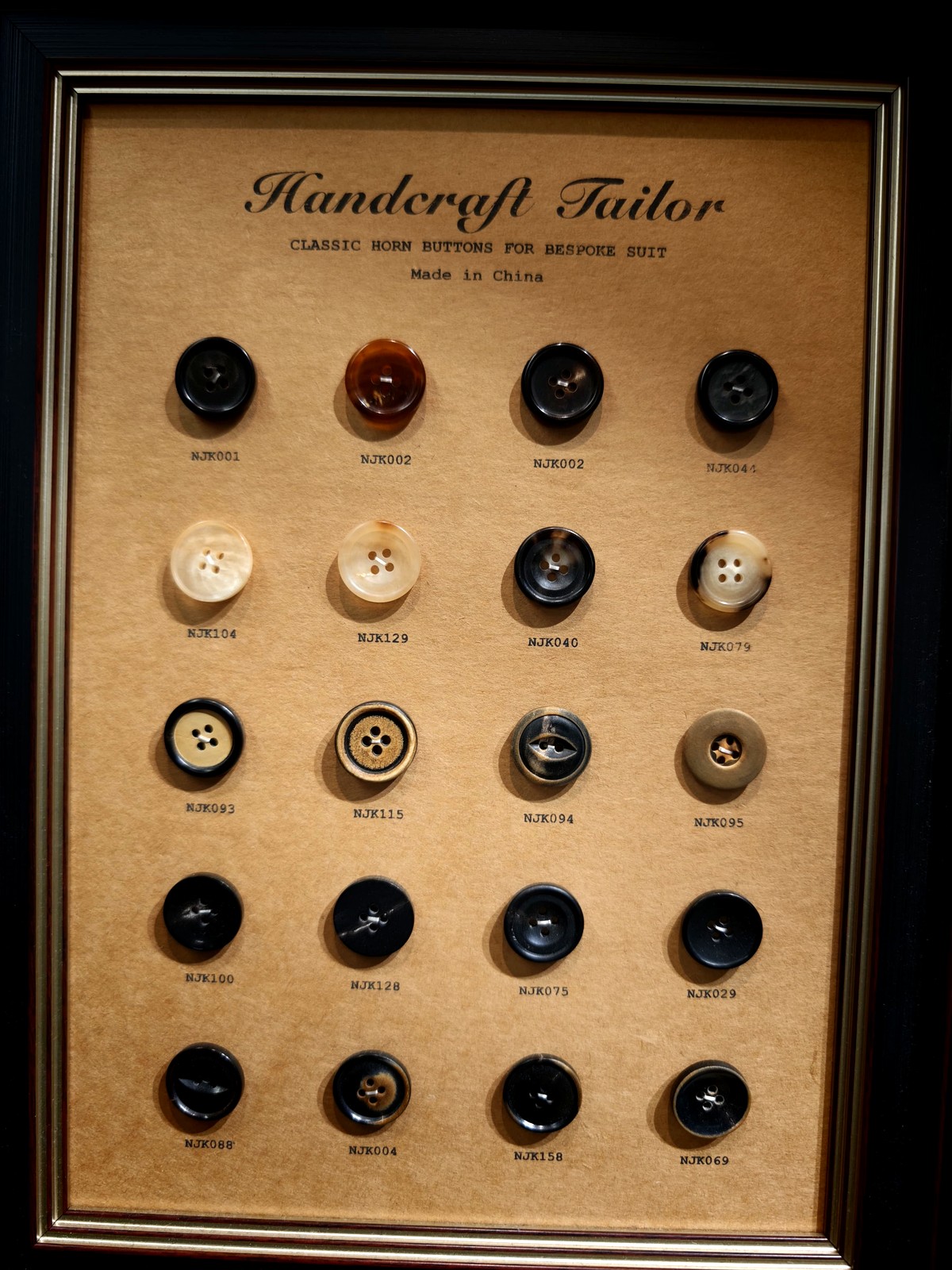
This is why tailoring belongs near the beginning of the planning conversation. A suit has its own decisions—fabric, shirt, trouser break, footwear and fittings—and those decisions affect the visual language of the photographs. Use Touch Tailor’s wedding-suit planning page to map the suit consultation and fitting path separately from the wedding morning. Do not treat the tailoring appointment as proof that the wedding-day styling schedule is settled; it is an input to that schedule.
For every outfit, add three fields: ready-by time, change window, and who is needed. “Ready by” is the time the outfit must be complete, not the time styling begins. “Change window” includes walking to the changing area, changing, fastening accessories, adjusting a jacket or veil and taking a few reference photographs. “Who is needed” may include the wearer, a family member with jewellery, a photographer, a dresser, or a stylist. These fields expose whether there is a true coverage gap.
If the groom wants makeup or hair preparation before portraits, add a separate slot alongside his shirt-and-suit dressing window. BigDeal Make Up’s groom makeup at a Hong Kong hotel or venue page is a logistics reference for that enquiry. Ask which tasks must finish before dressing and whether shared preparation space permits parallel appointments; if not, sequence the slots. Confirm the groom’s scope separately rather than assuming he is included in the bride’s arrangement.
Compare the schedule pressure, not just the calendar span
Distinguish elapsed time from styling-critical time. The first is the day’s calendar span; the second is when someone must be ready, change look, have a look refreshed, or hand an appearance over. A long lunch may not require active support, while a short transfer before an outfit change may.
| Timeline signal | A shorter, defined styling window may fit when… | A longer or split arrangement may deserve discussion when… | Question to settle before confirmation |
|---|---|---|---|
| Number of looks | One look carries from preparation through the key photographed moments | A separate daytime, ceremony or reception look must be completed on site | Which changes are full changes, and which are only accessory changes? |
| Locations | Preparation, photos and ceremony are in one venue or a known short walk apart | Home, hotel, registry, outdoor photos and banquet are separate stops | Who travels, with what kit, and what is the realistic door-to-door buffer? |
| Photo plan | Photography is concentrated after one finished look | First-look, family portraits, ceremony and evening entrance are separately photographed | What look must be finished before each camera call? |
| Clothing complexity | Suit, gown and accessories are put on once with straightforward final checks | Veil, hairpiece, outer layer, jacket, bow tie or jewellery must be fitted again after travel | Who holds each item, and where can it be put on without rushing? |
| Handover | The couple is comfortable managing later minor adjustments themselves | A new look, formal entrance or detailed accessory reset depends on a specific person | At what time does one team leave, and who owns the next appearance-critical task? |
The table is a prompt, not a recommendation of any provider or service duration. It should lead to a time-stamped run sheet that both members of the couple can read. If an answer is “we will decide on the day,” treat it as an unresolved planning risk rather than proof that longer coverage is automatically necessary.
Where the run sheet shows one concentrated early block and later self-managed tidies, BigDeal Make Up’s half-day bridal hair and makeup guidance can help frame a specific enquiry about a shorter arrangement. Do not treat that page or its terminology as confirmation of hours, included looks, availability or terms; provide the date, ready-by deadline, locations and planned handovers, then request the current written scope.
Turn the clothing run sheet into questions before you enquire
Once outfits appear on a timeline, write the questions in the order the day unfolds. This lets each provider answer the dependency that affects their work, rather than responding to a vague package label.
For the first completed look, ask: What is the latest acceptable finish time before the first photograph or pickup? Where will the person dress? Is there enough lit space to finish clothing without blocking hair or makeup? Which accessories must be present before sign-off? The groom should also allocate time for his shirt, tie, jacket, boutonnière and pocket square.
For the middle of the day, ask whether there is a genuine opportunity to change, not just a theoretical gap on paper. Is the changing room private and accessible? Who protects the next outfit from food, rain or crowded lifts? For the evening, decide whether the difference is a new outfit, new hairstyle, makeup adjustment or only accessories and lighting.
For an evening entrance, specify whether the request is a lipstick refresh or a different eye look, rather than writing “tidy” for both. BigDeal Make Up’s bridal makeup touch-ups and look changes guidance is a preparation reference for asking the provider to classify that work and confirm its scope. Give any agreed reset its own slot before the next camera-ready deadline, separate from dressing and travel.
If the run sheet calls for a completed morning look and a later banquet entrance, treat them as two separate handovers rather than one undifferentiated long block. BigDeal Make Up’s morning and banquet bridal makeup guidance is a useful briefing resource for asking how an early look and a later on-site appearance might be discussed. It does not confirm that a particular date, duration, price, personnel or arrangement is available; request the current written scope and terms.
Use this practical question checklist before contacting any styling provider:
- [ ] Mark every camera-ready deadline, including a first-look or family-photo call time, not merely the ceremony time.
- [ ] Name each look and list every item that changes with it: clothing, shoes, jewellery, veil, jacket, tie, hairpiece or outer layer.
- [ ] Draw the actual route and assign a buffer for lifts, traffic, loading and finding the changing room. Do not call travel time a change window.
- [ ] Identify the people needed for each handover: wearer, photographer, family member, dresser, stylist and venue contact.
- [ ] State whether the later look requires a complete new direction or only a minor reset.
- [ ] Ask for the confirmed scope in writing: date, start and finish point, location, people served, included work, travel or early-start implications, and change or cancellation terms.
- [ ] Keep a final run sheet with the couple, coordinator and relevant providers; revise it when a fitting, venue or photography call time changes.
Anchor the schedule to official and weather-sensitive constraints
A wedding styling timeline should respect fixed administrative dates before aesthetics. For couples registering a marriage in Hong Kong, the Government says the selected date must be at least 15 days after notice is given and within the notice’s three-month validity; registry availability is handled through its booking process.1 Put the official appointment on the run sheet, then work backwards to the clothing-ready deadline. Check the official service for your own ceremony and availability.
Weather belongs in the schedule as a contingency, not an assumed forecast. The Hong Kong Observatory says the rainy season is normally April to September, and its Red and Black Rainstorm Signals warn of heavy rain likely to bring serious road flooding and traffic congestion.2 For outdoor photos, cross-harbour travel or outfit transfers, specify a sheltered waiting point, transport decision point and indoor alternative.
A marked planning example: one Hong Kong day, calculated from the clothes
Illustrative scenario only — planning assumptions, not a provider quote, service promise or recommended duration: A couple prepares at a Kowloon hotel, has a 12:30 p.m. civil ceremony, group photographs at 1:15 p.m., then a 6:30 p.m. banquet entrance at a separate venue. The bride has a ceremony gown and evening dress; the groom wears one suit but changes his tie and pocket square. The photography team asks for a ready-to-shoot couple at 11:45 a.m.
Calculate backwards from 11:45 a.m., rather than calling the day “full-day.” If the couple need 15 minutes after dressing for accessories and a final check, clothing-ready is 11:30 a.m. If each needs 10 minutes of uninterrupted dressing space, it must be free before 11:20 a.m. These assumptions can change with the people, clothing and venue.
| Time | Clothing-led event | Timeline question exposed before confirmation |
|---|---|---|
| 11:20 a.m. | Private dressing and accessories | Is there a separate, usable dressing area while the other person is being finished? Who has the suit accessories, veil and jewellery? |
| 11:45 a.m. | Couple camera-ready for photography | Has the “ready” definition been agreed with the photographer: fully dressed, or only hair and makeup finished? |
| 12:30 p.m. | Civil ceremony | What is the transport cut-off, and do shoes, hems and outerwear work for the route and weather contingency? |
| 1:15 p.m. | Group portraits | Is there a plan for the jacket, veil or bouquet between the ceremony and the photo setup? |
| 4:45 p.m. | Return to hotel / second-look preparation | Is the room still available, and is the window large enough for the evening dress, altered hairstyle or accessory reset? |
| 6:30 p.m. | Banquet entrance | Does the later appearance require a person on site, or has a specific handover and reference photo made it manageable? |
Here, morning and evening are distinct styling-critical blocks. The middle gap may be a rest period rather than a reason to book continuous presence. A materially different evening look, no confirmed changing room or poor-weather transfer warrants a question about a split arrangement, longer arrangement or redesigned outfit plan.
If the run sheet instead reveals a continuous sequence of appearance-critical handovers, BigDeal Make Up’s full-day wedding hair and makeup guidance can help frame a focused enquiry about a longer arrangement. It does not establish continuous hours, included work, availability, price or policy for any date; request the precise current scope, additions and terms in writing, and compare like with like. This is planning context from an affiliated brand, not an independent review or a quotation.
The decision is a handover decision, not an hours decision
The best final test is to circle each time the couple moves from one state to another: unfinished to camera-ready, ceremony clothing to photo clothing, day look to evening look, or active assistance to self-managed touch-ups. Each circle needs an owner, a location, an allowance and a backup. If any is missing, the “half-day versus full-day” conversation is premature.
You may decide that a compact arrangement covers every high-consequence moment. You may decide that several separate handovers require more on-site support. Either is a sound result if it comes from the actual clothing schedule, not from the comfort of a vague package label. Confirm the final arrangement, fees, timing, personnel, policy and any weather or travel implications in writing with the relevant provider.
Frequently asked questions
Is half-day styling automatically enough for a registry ceremony and dinner?
No. It depends on camera-ready deadlines, locations, travel, changing room and the desired evening transformation. Put these on the wedding styling timeline before asking about current scope.
Does a half-day or full-day label settle the wedding-day schedule?
No. A label does not replace the run sheet. Confirm the current scope, date availability, people served, locations, handovers and terms in writing with the relevant provider; a shorter, longer or split arrangement should follow the actual appearance-critical moments.
When should the groom put on his jacket and accessories?
Work backwards from his first fully ready photograph. Allow time for clothing, tie or bow tie, pocket square, boutonnière and a final check; assign who brings the final accessories.
How should a Hong Kong rain contingency change a styling plan?
Create an indoor alternative and protected transfer. Identify the sheltered location, transport contact, route and decision point in advance, then check official warnings and venue instructions on the day. Do not use the smallest theoretical travel time as your buffer.2
Disclosure
BigDeal Make Up is an affiliated brand and its linked pages are our own service resources, not unrelated third-party rankings or independent reviews. Service availability, price, policies, qualifications, locations and booking times must be confirmed in writing with the relevant provider. Written by Manus AI and pending brand editorial review; it has not been reviewed by a Touch Tailor tailor or by Maggie Yeung.