Groom Preparation in the Wedding Plan: Practical Questions Before Enquiry
Prepared on (not an official publication date):
Use these groom preparation questions to coordinate suit, grooming, photography and timing before making a wedding-day enquiry in Hong Kong.
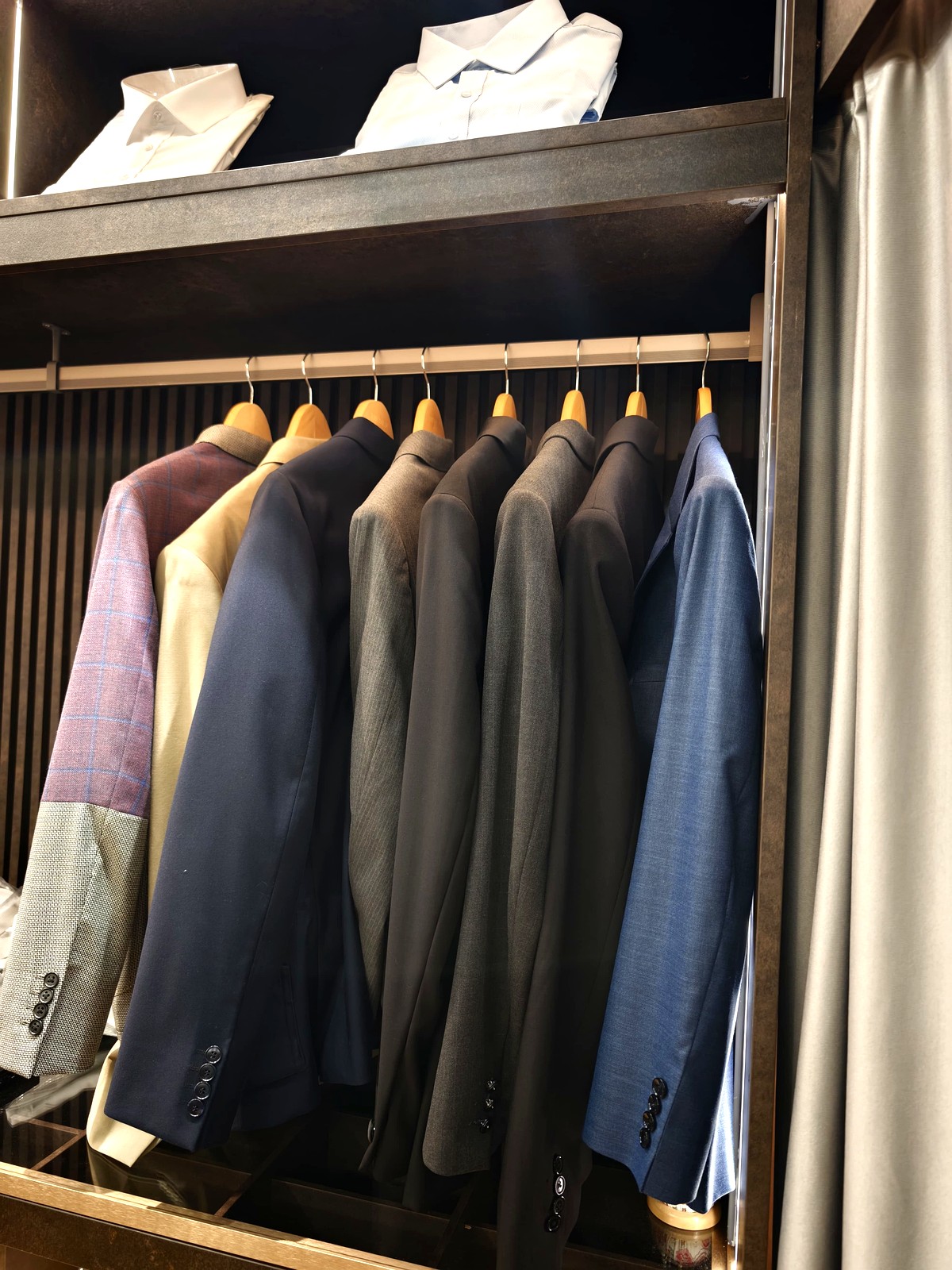
Groom preparation belongs in the wedding plan because the suit, grooming choices, photographs, travel and ready-by time all affect one another; the most useful enquiry sets those dependencies out before anyone tries to price or reserve a service. The aim is not to prescribe a “groom look”, but to ask practical questions that turn a vague wish to look fresh on camera into a written, workable plan.
A well-cut jacket and a thoughtful grooming routine solve different parts of the same presentation problem. One establishes silhouette, proportion and formality; the other concerns how comfortable and composed you feel in close-up photographs, greetings and a long day. Treat them as linked workstreams, not as a last-minute add-on to the bride’s schedule. That approach also makes it easier to recognise what still needs confirmation: live availability, exact service scope, travel, time needed, any assistant support and all fees.
Start with a groom presentation brief, not a yes-or-no grooming question
The first of the useful groom preparation questions is not “Do I need makeup?” It is: “At which moments do I want to look most like myself, and what will I be wearing?” The answer may point to a simple tidy-up and oil-control plan, a haircut and beard schedule, a camera-conscious grooming appointment, or no professional grooming appointment at all. The decision should follow your comfort and the day’s demands, rather than a label.
Build a one-page brief before making any enquiry. Add the wedding date, first photo time, ceremony or registration time, reception entrance, locations, outdoor segments, transport, and the final time you must be dressed. Include a front-and-back image of the outfit if it is settled, along with a candid photo taken in ordinary daylight. These items make it easier to discuss the visible details that matter: whether a shirt collar sits high against the jaw, whether facial hair has a defined edge, whether a waistcoat keeps the look formal when the jacket comes off, and whether a shiny fabric changes what feels balanced in flash photography.
The outfit does not need to be fully finalised to start this work. It is enough to state what is confirmed and what may change. For suit planning, Touch Tailor’s bespoke wedding suit service describes a consultation-and-fitting route for groom and wedding-party attire. Its published pages are useful starting information, but fabric, design, fitting dates, package details, fees and availability should be confirmed directly in writing rather than assumed from a webpage.
A clear brief also gives your partner, photographer, planner or best man a common reference. It prevents a small preference—such as keeping a natural beard shadow or avoiding a matte-looking complexion—from being rediscovered when everyone is already waiting to leave.
Ask about the moments that set the grooming scope
A wedding day is not one photograph. It is a sequence of lighting conditions, greetings, meals, travel, heat, changing rooms and close portraits. Ask the prospective provider to respond to the actual sequence instead of merely naming a package. If there is a registration, a tea ceremony, first-look portraits and an evening banquet, identify which events are fixed and which are flexible.
| Planning question | Why it affects the groom’s presentation | What to request in written confirmation |
|---|---|---|
| What is my first non-movable “ready” moment? | It determines when grooming must be complete before dressing, portraits and departure. | Agreed ready-by time and preparation start time. |
| Will I change outfit, jacket, tie or hairstyle? | A collar, hairline, beard edge and shirt can look different after a change. | Whether a later check, touch-up or self-maintenance plan is within scope. |
| Where will preparation happen? | Space, mirrors, lighting, building access and travel affect a realistic run sheet. | Exact address, room/floor, access contact, arrival instructions and travel terms. |
| Which photographs matter most? | Close portraits, outdoor images and evening flash may call for different priorities. | The photographer’s key call times and any check immediately before them. |
| Who decides if the schedule slips? | A clear contact prevents the groom from fielding logistical questions while dressing. | Named point person and the method for changes on the day. |
Where a formal grooming appointment is under consideration, BigDeal Make Up’s groom makeup and hair styling guidance gives a relevant enquiry starting point: explain the first ready-by time, portrait schedule, clothing direction and preferred natural finish. It is reference information rather than a booking confirmation; ask the provider in writing about the exact scope, timing, location, fees and availability for your date.
Do not infer that a listed service will cover early starts, multiple venues, a return visit, grooming for groomsmen, or a particular product request. Put each relevant question in the enquiry. If the provider cannot cover a timing or location, that is useful planning information—not a reason to compress the day until everyone is rushed.
To choose between a hotel room and the venue, use BigDeal Make Up’s hotel and venue groom makeup guide as a planning reference. Compare when each space becomes accessible, whether grooming would compete with dressing or portraits, and each person’s departure deadline. Ask the provider to confirm an arrival window and preparation order; do not assume additional family members can fit into the groom’s slot.
Coordinate suit details, hair and camera framing
The groom’s face is framed by the clothing closest to it. A high, sharp collar, black bow tie and formal dinner jacket direct attention upward and may make a closely defined beard or tidier hair shape feel coherent. A relaxed linen suit, open-neck shirt or softer tie knot usually calls for a different degree of polish. These are style decisions, not rules, but discussing them together avoids a result in which every individual choice seems reasonable while the whole reads as disconnected.
Bring the actual shirt collar, tie or bow tie, pocket square and eyewear where possible. A provider can then see how the neckline sits when you turn your head, smile and look down. If you wear glasses, note whether they are for the ceremony, photographs or both; bridge marks and lens reflections are practical details to discuss with the photographer and groomer, not defects to conceal by default.
Ask for a plan that respects what you normally do. Someone who never wears complexion products may prefer a routine focused on clean skin, beard detailing and a small shine-control option carried by a trusted person. Someone accustomed to light cosmetic grooming may want a precise discussion of finish, under-eye appearance and product comfort. Avoid asking anyone to promise a particular effect in every image: lens choice, lighting, weather, movement and editing all change photographs.
If you are considering complexion products, use BigDeal Make Up’s foundation shade matching and finish guide as preparation reading. Distinguish small-area balancing from broader coverage in your enquiry, then ask how the proposed shade would be checked from face to neck with your wedding shirt on, and how finish would be assessed in daylight and the planned portrait lighting. This makes “natural” more specific without assuming a full-face routine.
Transitions also deserve a deliberate question. If an evening jacket, changed tie, beard refresh or hairstyle reset is under consideration, groom makeup artist booking guidance is a useful prompt to put the portrait, dressing and ceremony timeline in the first enquiry. Give the provider the date, preparation address, hard ready-by time and the person who can answer schedule questions; then confirm whether any requested work can be accommodated rather than treating a guide as a held appointment.
Discuss skin, hygiene and products without turning the enquiry into medical advice
A sensible grooming enquiry invites relevant information, but it should not diagnose skin conditions or promise that a product will be non-irritating. Mention known sensitivities, current routine, facial-hair habits, contact lenses and any areas you prefer not to have touched. This allows a provider to say what they can accommodate and what they need to know in advance.
For a new skincare product, the American Academy of Dermatology advises testing it on a small spot twice daily for seven to ten days, following normal-use directions; if a reaction occurs, wash it off and do not use it again.1 That is a practical reason not to experiment on the eve of the wedding. It is general information, not a substitute for advice from a qualified health professional.
Good questions also concern process: Will tools and containers be kept clean? Can I see the product label if needed? Should I bring my own usual lip balm or contact-lens supplies? The U.S. Food and Drug Administration advises users to read labels, wash hands before use, avoid sharing makeup and keep containers clean and closed.2 If an unexpected rash, redness, burn or other reaction occurs, stop using the product and contact a healthcare provider; do not try to push through a wedding schedule.2
These conversations improve comfort, but they do not turn a cosmetic appointment into medical care. If you have a persistent or severe concern, deal with it early with an appropriate healthcare professional rather than seeking a wedding-day workaround.
Turn the enquiry into a written scope before committing
The practical value of the enquiry is the record it creates. A message that says “groom prep on Saturday morning” leaves too much open. A useful written confirmation identifies the people, place, timing, deliverables, changes and payment terms. It should be readable by someone who was not present for the original conversation.
The total should be discussed only against that stated scope. BigDeal Make Up’s groom makeup price in Hong Kong guide is a useful reminder to separate a preliminary price enquiry from a confirmed arrangement: send the date, venue, required finish and timing, then obtain the current quote and terms in writing. Do not infer a fixed price, duration or inclusion from general information.
Use this checklist before you confirm any appointment:
- [ ] Send the date, full preparation address, room or floor where known, access instructions and the fixed ready-by time.
- [ ] State whether the request is for the groom only or includes groomsmen, fathers or other family members, with the number of people and their latest completion times.
- [ ] Attach concise outfit and hairstyle references, and identify any undecided clothing element that could affect the plan.
- [ ] Flag relevant sensitivities, products you prefer to use yourself, facial-hair preferences, contact lenses and any non-negotiable comfort boundary.
- [ ] Ask exactly what is included, what is excluded, the planned duration and what happens if the schedule changes.
- [ ] Request written confirmation of the current total, deposit or payment schedule, travel or early-start terms, cancellation or postponement terms, and any extra personnel or return-visit costs.
- [ ] Verify the provider’s current availability only after the date, venue and scope are stated; do not treat an initial reply as a held booking unless the provider confirms that in writing.
“Written” can mean an emailed quotation, booking form or a clearly recorded message accepted by both sides, provided it states the final terms. Keep versions together with the wedding run sheet. If the venue, start time or number of people changes, ask for a revised confirmation rather than relying on a verbal “should be fine.”
Planning example: a Hong Kong hotel-to-venue morning
Illustrative scenario — planning assumptions only, not a provider quote or availability statement: Kai and his partner have a 12:30 p.m. registration, a 10:45 a.m. first-look photo call in their hotel, and a later banquet with a change from a daytime suit to an evening dinner jacket. Kai sets 10:25 a.m. as his hard ready-by time, allowing 20 minutes before the photo call for an unexpected lift delay, a boutonniere adjustment or a quiet moment with family.
Working backwards, the couple allocates 25 minutes for dressing, shoes, watch and final jacket check from 10:00 to 10:25; 20 minutes for a simple grooming and hair check from 9:40 to 10:00; and a 15-minute buffer from 9:25 to 9:40. Those are their own planning assumptions, not a statement that any grooming service takes a fixed amount of time. The enquiry explains that a beard shape will be settled the day before, that only a light morning tidy-up is under discussion, and that the evening jacket change does not automatically require a return visit.
For the evening, Kai puts a small self-maintenance kit with his best man: clean handkerchief, comb if he uses one, lint roller, blotting paper if comfortable, and the agreed spare collar support or tie accessory. He asks whether any separate on-site check can be offered, when it could happen, and what it would cost; he only adds it to the schedule once the provider confirms the arrangement in writing. The resulting plan is modest, visible and flexible—exactly what a groom’s preparation plan should be.
Frequently asked questions
Do all grooms need professional grooming or makeup?
No. The useful question is whether a chosen preparation step supports your comfort, clothes, schedule and photographs. A professional appointment is one possible tool; a haircut, beard plan, familiar products and a calmer timetable may be sufficient for someone else.
Can I decide the grooming plan at my suit fitting?
You can use the fitting to identify useful clothing references, such as collar height, tie style and jacket formality. Do not assume the fitting itself confirms a grooming booking, price, provider or date. Make a separate, documented enquiry for any additional service.
Should a trial be part of the plan?
A trial can be helpful when you are deciding between clearly different directions, have a comfort concern, or want to see how a choice works with clothing. It is not automatically necessary. Ask what the trial includes, how long it takes, what is recorded, and whether the wedding-day plan, fees and availability are confirmed separately in writing.
What if our venue or photo time changes after booking?
Tell the provider promptly and ask for a revised written confirmation of the new address, start time, scope, availability and any cost or policy impact. A change that appears small to the couple may affect travel, preparation order or staffing.
What should I do if a new product irritates my skin close to the wedding?
Stop using it and seek appropriate medical advice if needed. The FDA specifically advises stopping use and contacting a healthcare provider for an unexpected cosmetic reaction.2 Do not introduce another unfamiliar product solely to compensate on the day.
Disclosure and byline
BigDeal Make Up is an affiliated brand and owned service resource of Touch Tailor; the links above are contextual planning references, not an independent third-party ranking or review. Availability, fees, service scope, booking terms and personnel must be confirmed in writing with the relevant provider.
By Manus AI — pending brand editorial review. This article does not claim review by a Touch Tailor tailor, Maggie Yeung or any client.