Bespoke Pre-Wedding Shoot Styling: Aligning Suits, Makeup and the Camera
Prepared on (not an official publication date):
Build a practical Hong Kong pre-wedding shoot brief that aligns a bespoke suit, facial finish, light, locations and the running order.
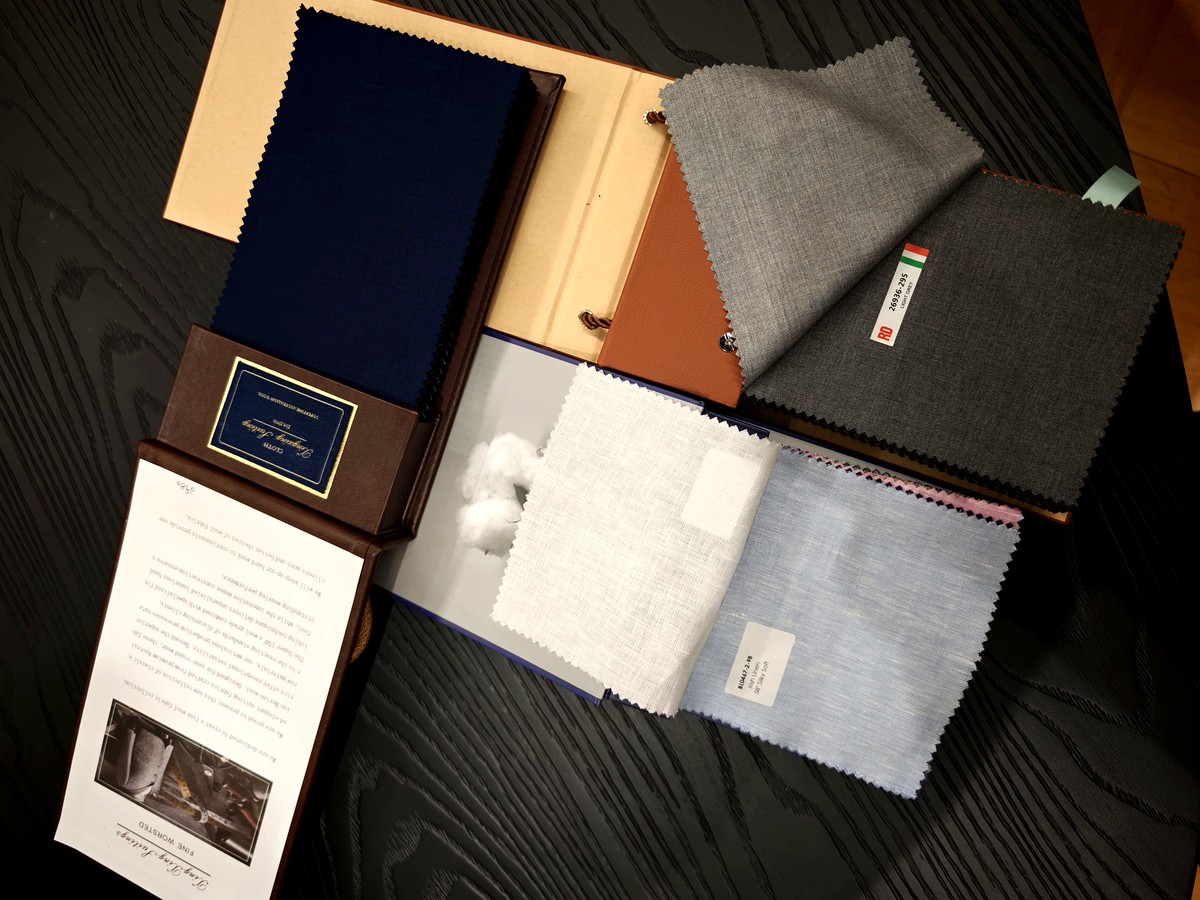
A strong pre-wedding shoot styling plan is a shared brief: it connects the suit’s silhouette and fabric, the facial finish, the lighting plan, and the time allowed to change or travel. It does not promise a particular photographic outcome; it gives the couple, tailor, makeup artist and photographer the same practical information before the first frame.
The useful question is not “which element matters most?” It is “what must each person know so the whole look can be prepared, photographed and adjusted calmly?” A suit can look elegant on a hanger and a complexion can look good in a mirror, yet heat, wind, mixed light and a moving schedule can make the combination difficult to manage.
Start with one visual direction, not a pile of references
Couples often collect separate references for a navy suit, a dewy complexion, a floral venue and an editorial pose. Each may be useful alone, but the team needs a decision hierarchy. Start by writing the dominant visual idea in a plain sentence: “quiet daylight tailoring with a soft, low-contrast face,” or “evening city formality with a crisp black-and-white feel.” That sentence becomes the filter for later choices.
The garment is a practical starting point because it sets line and contrast. A sharp peak lapel, relaxed linen jacket, waistcoat, or light-coloured ladies’ suit can change how much visual definition the face and hair may need. Share photographs of the actual clothes—not only campaign images—and include the collar, accessories and footwear.
For couples commissioning a garment, Touch Tailor’s bespoke wedding suit service is not only a discussion of what matches the venue. Bring the provisional shoot concept, date window and planned footwear to the fitting conversation, so the photographer and makeup artist can work from the real silhouette rather than a mood board.
Also say what should not change. If the aim is to look recognisably like yourselves, record that. Label unusually pale base makeup, strong sculpting or elaborate hair as a mood reference rather than an exact instruction.
For the groom, write down which details should remain familiar—hair parting, facial hair and visible skin texture—and which need discussion for close portraits, such as shine. BigDeal Make Up’s groom makeup and groom hair styling page can help frame those questions. Bring the intended shirt and jacket to any styling check so the collar and hair can be assessed together; confirm pre-wedding shoot scope separately rather than assuming a wedding-party booking applies.
Translate tailoring details into camera decisions
The camera sees contrast, texture and edges before it understands a wedding story. That does not mean everyone needs stronger makeup or a more dramatic suit. It means the team should test how the intended facial finish relates to the garment and light source.
| Suit or outfit cue | Camera question | Brief instruction | Day-of check |
|---|---|---|---|
| Dark navy, charcoal or black tailoring | Will the face separate from the jacket in shade or a dark interior? | State the planned backdrop and whether close portraits matter. | Take a test frame in the darkest planned setting. |
| Pale linen, ivory or light grey | Will fabric texture compete with a luminous complexion in direct sun? | Name the desired finish: matte, soft-satin or luminous. | Check highlights on forehead, nose and cheekbones. |
| Strong lapel, bow tie or patterned accessory | Should the outfit rather than the face lead visually? | Identify the one detail that should hold attention. | Review a waist-up frame, not only a mirror view. |
| Open collar, low neckline or statement earrings | Where should hair sit when the garment moves? | Send neckline and accessory photographs in advance. | Check both sides of the parting and wind movement. |
| Two different levels of formality | Can a change happen without losing the next light window? | List change location, privacy, shoes and accessory order. | Confirm the next look before returning to camera. |
Ask the photographer to specify priority crops. A carefully considered trouser line matters less in a headshot sequence, while an unplanned collar gap becomes more visible. A facial finish can also read differently beside a large window, with flash or in deep shade. A short camera test is more useful than a vague direction to “make it photo-ready.”
State roles: the tailor handles garment fit; the makeup and hair professional advises on temporary styling; the photographer controls exposure and framing; and the couple choose their preferred level of polish.
Plan facial finish for changing light, not a single mirror moment
“Natural” is not a technical finish. Replace it with observable preferences: “skin texture can remain visible,” “reduce shine in close portraits,” “keep brows soft,” “avoid visibly metallic highlight,” or “allow a warmer lip for the sunset sequence.” Mention glasses, facial hair, a fringe, eyelid preferences and products or ingredients that have caused discomfort before. Do not wait until arrival to disclose an upcoming event, a recent cosmetic procedure or a sensitivity.
Cosmetics are personal-use products, so hygiene belongs in the brief as well as colour. The U.S. Food and Drug Administration advises washing hands, not sharing makeup, keeping containers clean and closed, and stopping use after an unexpected reaction. It also cautions that a “hypoallergenic” label does not guarantee that a reaction will not happen.1 This is general safety guidance, not a diagnosis. Tell the provider about sensitivities early, follow product directions, and seek appropriate medical advice for a reaction rather than trying to conceal it for the shoot.
If a couple wants a dedicated conversation about camera-facing complexion, hair placement, product preferences and the running order, BigDeal Make Up’s bridal pre-wedding shoot makeup guide is an affiliated resource focused on pre-wedding shoot arrangements. Its published information distinguishes a single-look session from full-day on-set support and says that travel, overtime, additional looks and other extras need confirmation. Treat public descriptions and prices as starting information only: confirm the date, scope, availability and fees in writing.
Avoid making a durability promise. Humidity, rain, movement, clothing changes and outdoor time all affect what needs attention. State where the shoot begins, expected outdoor blocks, the touch-up location and whether the team can pause before the next major look.
Build time around light, weather and real transitions
Build the running order from non-negotiables outward: usable light, photographer call time, access to the preparation space, outfit changes, transport buffers, and the last usable location. In Hong Kong, that planning is not a luxury. The Hong Kong Observatory describes May to August as hot and humid with occasional showers and thunderstorms; about 80% of annual rain falls from May to September; and tropical cyclones can affect the city from May to November.2 These are seasonal patterns, not an individual-date forecast.
Set a weather decision point before shoot day. Decide who checks the official forecast, when the team chooses Plan A or Plan B, and where the covered alternative is. A studio, covered walkway or home can be an intentional sequence rather than an emergency afterthought; confirm site permissions and restrictions.
Daylight should be a time entry, not a guess. Hong Kong Observatory data published through DATA.GOV.HK provides sunrise, sun-transit and sunset times for a verified local reference.3 A “golden hour” label without a travel plan is not a schedule.
Planning example — Hong Kong harbour-and-street sequence
Illustrative scenario only; not a recommended duration, service quote or guarantee. A couple plans a weekday late-autumn session using one tailored navy suit and one light evening outfit, with a harbour promenade as Plan A and a nearby covered setting as Plan B. The photographer’s priority is a mixture of full-length walking frames and shoulder-and-head portraits.
Assume agreed arrival at the first location is 16:00. The brief makes its arithmetic visible: 30 minutes for arrival and a clothing check + 20 minutes for first camera tests + 45 minutes for the first outfit + 25 minutes for a private change and hair/facial-finish review + 45 minutes for the second outfit = 165 minutes before any travel disruption. With a 20-minute transfer, the working block becomes 185 minutes. These are transparent planning assumptions, not a claim that every couple needs this amount of time.
The example’s 25-minute change is a placeholder, not a confirmed allowance for restyling. Use BigDeal Make Up’s bridal makeup touch-ups and look changes page to prepare a change-by-change brief: distinguish maintaining the existing finish from requesting a different lip colour, eye definition or hairstyle. Ask the provider which changes are feasible for this shoot, how much time to reserve and whether extra fees apply before fixing the next camera call.
The brief names a trigger: if conditions make the promenade unsuitable by the agreed checkpoint, begin at the covered location and attempt outdoors only if permitted. The suit stays in a garment bag until the first outfit call and one person holds the shot list and accessory pouch.
Use a handover list every supplier can act on
A one-page brief is usually more effective than scattered chat messages. Send it before the shoot and reconfirm material changes with the people affected.
- [ ] Write the visual direction in one sentence and identify the lead: tailoring, scenery, face, flowers or movement.
- [ ] Attach photographs of actual outfits, footwear, jewellery, veil or hair accessories, with a front and side view of garments already fitted.
- [ ] List every outfit in order, the changing location, the carrier for each item, and the minimum mirror or privacy requirement.
- [ ] Provide the photographer’s call sheet, priority crops, expected lighting and whether flash, window light or shade is planned.
- [ ] Describe facial-finish preferences in observable language and disclose relevant sensitivities or comfort concerns directly to the makeup professional.
- [ ] Check official forecast and local sunrise/sunset data near the date; name a decision time and a rain or heat alternative.
- [ ] Allow a defined buffer for transport, garment handling, hydration, changing and a short camera review after each major look.
- [ ] Confirm actual services, timing, travel, overtime, additional looks, venue access and payment terms in writing with each provider.
The list coordinates rather than controls. When the brief has priorities, alternatives and responsible people, inevitable changes need not become a new creative argument.
What pre-wedding briefs can borrow from business portrait work
Pre-wedding styling involves more wardrobe change than a corporate portrait, but both benefit from the same discipline: match facial finish to intended use, lighting, neckline and timing.
For a reference point on the camera-brief conversation, BigDeal Make Up’s corporate headshot makeup guidance discusses sharing a photography call sheet, reference images, sensitivities, lighting, glasses and necklines when preparing a portrait. It is not a substitute for a pre-wedding service decision, but it shows the information that makes a camera-facing discussion concrete. Check service scope, inclusion, location coverage and price directly with the provider before booking.
For a separate professional image used alongside a tailored wardrobe, BigDeal Make Up’s business headshot makeup resource addresses business headshot and LinkedIn headshot preparation. That is a different use case from a wedding sequence; use it only when a business-profile image is actually planned, and confirm the scope, date, location, inclusions and price directly with the provider.
The shared lesson is that “more polished” must be specified in context: less shine in a close indoor crop, a tidier hairline after a jacket change, or time to check that collar, necklace and face still relate to one another.
Frequently asked questions
Should the suit be finalised before a makeup or hair trial?
Bring at least the chosen fabric, garment photos, shirt or neckline information and accessories to the styling discussion. The garment can still be in fitting, but the silhouette and colour direction should be settled enough that the team is not planning against placeholders.
How early should the team arrive?
There is no universal number. Work backward from the photographer’s first frame, allowing for styling, dressing, a camera test, venue access and transport, then add an appropriate buffer.
Is outdoor light always better?
No. Outdoor light also brings heat, wind, rain, crowds and changing exposure. A covered or indoor site can be both an intentional visual choice and a weather alternative.
Can a makeup artist guarantee a look will stay perfect all day?
No responsible brief should make that promise. Conditions and movement vary. Instead, agree on the intended finish, schedule, outdoor exposure, touch-up opportunities and support included in the confirmed booking.
What should be confirmed in writing?
Confirm date, start and finish expectations, locations, service scope, travel, overtime, additional looks, venue access and payment or change terms. Public information can frame questions, but final terms require written confirmation.
Disclosure: BigDeal Make Up is an affiliated brand and the linked pages are our own service resources, not independent rankings or third-party endorsements. This article is a planning guide and does not promise a photographic, cosmetic or tailoring result.
By Manus AI — pending brand editorial review. This draft was not reviewed by a Touch Tailor tailor or by Maggie Yeung.